Essay: Abandoned digital spaces; part 1, introduction

This text is the second in a series of informal essays where I present a more causal argument then my normal analytical texts. I this text will be the first in a series discussing abandoned spaces of digital landscapes, and how they may seen as mirrors of their real life equivalents. This chapter will discuss the basic themes and concepts we will need for our furhter discussion of the topic.

Introduction

The abandoned and lost space of humankind have always intrigued me for as long as I can remember. From the ancient towns and burials of long lost civilisations, to the modern ruins of failed commercial enterprises, there is a certain sense of longing and sadness I feel when visiting these areas. It is a feeling I find hard to put in to words, and one that I surprisingly felt when exploring the virtual chat room Second Life for the first time, the vast square miles of now abandoned and forgotten buildings awoken something within me, a feeling that I wish to try and express trough this series.

Before we start this exploration proper, I have some concepts I would like to present. This chapter will be dedicated to a few analytical terms that we will use to explore a number of strange and partly to full abandoned digital spaces. By setting out clear parameters, I hope to make this series easier to follow, as well as more enjoyable to read.

Definitions

I will start this series by making some definitions of the material I will discuss in this series. These terms will be as a base for every world we will be analysing in this series. I will primarily discuss two aspects of the abandoned spaces we will find in this series. The first pertains to the places themselves, the second will discuss the creators of these spaces.

Virtual Landscapes

First of all I will present the main three various digital lands. By doing so will I hope to more easily help the reader conceptualize the spaces I am presenting. I will split up the areas we will explore in three separate categories, websites, games and virtual chatrooms.

The website

Arguably one of the oldest repository of digital content, along with chat rooms and databases. Many of these services had been lost to time, or simply fallen in to technological obscurity. The endless march of technological progress pushing more and more of these once high tech and modern services in to the void of obscurity.

Exploring some of these website, be it via an archive, or by visiting some of the few pages that are still up and unaltered, it is, at least to me an etherial experience in and of itself. The radically different design language, the esoteric ways of orienting oneself across the website, the inherent newness (at the time), of the hyperlinks. The infamous space jam website is still available and mostly fully operational after al this time, but there exist a wide number of various sites for you to explore on your leisure. I would be amiss if I did not mention the amazing work of internet archives, Wayback machine!

The most basic form of world we will look at will be a series of web sites, forums and databases that have for one reason or another been abandoned or neglected by their original creators. I mainly added this segment for completeness sake, and will most likely not spend most of my time discussing websites per say. Note that some games such as Neo-Pets will inevitably fall within the preview of website as well as game world. I will point these instances out when we encounter them.

The game

There are innumerable games that have been abandoned by their publishers over the years, but for this text in particular I wish to discuss the various online games, be it games played via a web browser or a dedicated platform. many online only games of today and yesteryear will eventually be met with this faith, of being left to their own devices, and slowly disappearing in to the void of obscurity.

For the sake of this series will I only discuss games that are explicitly meant to be experienced in an online environment, and one that is still accessible online in its original form, or via some form of facilely, like third party servers. I will only discuss games that are currently accessible online, and have some sort of servers running. I want to be able to experience the servers themselves, as much as the games, so any game that has an offline function as stand in, will as a result not be covered in this series.

The virtual chatroom

The virtual chat room is what this text will spend most of its time discussing. The concept of a virtual chatroom is one that has for a long time interested me deeply. The idea of having a visual representation of your avatar for the sole purpose of chatting is somehow deeply fascinating to me. The fact that many of these worlds allows the users to create their own custom content and avatars makes this concept so much more interesting to me personally.

The most well known of these virtual worlds currently would be VR chat, but for this series will primary spend our time discussion its predecessors such as second life. Due to the fact that Second Life and its contemporaries has existed for so long, it means that the existence of abandoned and or lost materials is rather prevalent amongst the its virtual landscapes. These abandoned structures, towns and monuments will be one of the main points of interest for this series.

The creators

We must also discuss the creators of these virtual worlds. Some creators, like when it comes to the developers of the worlds, be it a website or game are easy enough to pin down. The other creators, as we will see, are more elusive and harder to pin down. Much like how archaeologists tries to trace the identities and lives of the the architects of ancient civilisations, so will we try and gleam stories from what the makes of the worlds have left us.

Developers

The first category of creators we will discuss is the “official originators” of the digital world. The developers, publishers and owners . It is at their prerogative that the worlds itself was created and it is at their prerogative that the world can be destroyed. When it comes to most video games and websites, the creation is squarely set at the hands of the developers.

I will in this series define developers first as foremost as the “official”, original creators of the product, and any third party support or creation will be first and foremost be seen as creations of the users. I will note where there are exceptions to these rules.

Due tot he significant amount of official correspondence, journalism and other materials will it be rather easy to find official narratives to many, if not most of the abandoned worlds we will be discussing in this series. With that said, as I am a belier in the concept of the death of the author as a valuable tool for discussing media, will I be first and foremost look to the texts themselves when we go on our digital archaeological digs.

Users

Many websites or online games uses some form of user generated materials as part of their world building, be it posting, character creation of full on modifications to the base product. User generated contend takes a much bigger parts in virtual chatrooms such as second life and VR chat, where entire worlds are made out of the creations of its users.

By user I am in this text referring to individuals that have purchased or in other ways gained access to the product, and is creating content without ties to the official developers.

The nature of user created materials make it difficult to find out any details of the original creators. even if we have a name and ad ate of creation, it is more often then not some form on pseudonym or nickname. even if we were to know these creators, finding any additional information about them would be exceedingly difficulty, if not impossible. just when excavating real life settlements, we will have to really on general knowlage of the time period, and the general knowledge of the culture, to gleam some information from these digital dig sites.

“Nature”

Many of these worlds are enormous, and while much of it is created by and, many features are also created by algorithms or similar processes. These randomly generated materials are an inportant part of the wider digital worlds that we will be exploring in this series, and can ad a surprising amount of character and ambience to any area,

This this segment will I also ad any form of error, coding incomparability another problem with the media that the creators did not intent on. Due to their very nature, it is impossible to ascertain the nature of the “true” creators of these elements. With that said, examining these natural features, might gives us some hints on the rules that govern the worlds we are exploring.

Final thoughts

I have in this text, in as brief of an explanation as I can, presented the basis for this series. we will use this base formula, as we make our way on our digital scientific travels. My goal is to present this series in the form of a travel journal, together with an archaeological study. These are both formats that are new to me, and as a result this entire series will be a learning experience for me.

Note that this series will be a lot more informal and personal then my normal materials, and I hope that you will find this trip an interesting one, as we travel in to strange new lands. If this sort of text is not your cup of tea, then more traditional research and analysis is on the way as well!
Essay: The immersive world of Morrowind

This text will be my first in a series of essays, more informal texts that are more opinion oriented then my normal research oriented texts. The topic of today’s text is brought to you by Daipanda, a loyal viewer of my twitch stream. If you like to have your own topic suggestion featured on the blog, please visit Twitch.tv/samrandom13 for more information.

Introduction

This text will discuss the many aspects of world-building found in the video game Elder Scrolls: Morrowind, and how they in tern leads to a number of role-playing possibilities for the players. I have recently been playing trough the game at my twitch channel, and have as a result spent a lot of time analysing its story and world building aspects. I will today discuss three aspects that I have found of special note, the faction system, the in game dialogue, as well as the in game books and other texts of Morrowind.

Factions

Elder Scrolls: Morrowind uses a series of reputation systems, one being a personal disposition system for non playable character, that ranges between zero and hundred, that gauges how friendly each character is towards the player character. A second system, and the one I am the most interested in today is the faction reputation system. This system similarly scales between zero and a hundred, and dictates the player characters options while dealing with said faction, as well as dictating the base level for NPCs personal base disposition with the players. Bring in good standing with a faction will allow the player to use certain traders, get better prices, as well as to get specific quests from them. Being in bad standing will lock the players out of many of these features, and in some cases, will turn the entire faction hostile towards the player. Al factions starts with varying degrees of like or dislike toward the player, and some will always despise the player cahracter, regardless of what they do.

The most interesting aspect of this faction disposition system is that, besides affection the relationships between the player character and the faction, do also play a role between the factions themselves. Each faction has a set disposition ration to every other faction. For example will the two major magical factions, the mages guild, and House Telvanni, have a negative disposition towards the others members, due to them competing for the same markets, namely magical services.

When a player joins a faction, these negative modifies will be calculated in to the disposition of every other faction. <in some cases, like with the great houses, it is impossible to join more then one, and joining one of them will permanently stop the players from joining the others with said player character. Due to the immense powers struggles being a major theme of the setting of Morrowind, will it be made clear to the player right a way that joining one of these great houses will swear them in to said house, and bar them from joining any other. The actions of the player will, as they progress trough their chosen house storyline put them in direct conflict with the other houses, and as a result will their personal and faction wide disposition go down with each of the NPCs pertain to said faction.

Other factions conflicts are more obscure and easy to miss, and several are deliberately obtuse, one well known example comes to mind early in he game, where he player is first introduced to the staple factions of the Elder scrolls series, the mages, thieves and fighters guilds respectively. The players are initially able to join both the thieves and fighters guild at their leisure, but are at one point tasked with retrieving a certain item, a book containing sensitive information, for both factions. both factions will have vested interest in this book, and the players will be forced to chose a side, with some outcomes leading to the players being unable to join one of the factions in the future.

By forcing the players to take sides in these and many other conflicts does the game enforces the idea that the character the players is in fact, part of is a part of a greater narrative and world, and by forcing the player to make these decision is the player incentivised to crystallize an identity with said world. The player is not a omnipresent being that exits outside the narrative, or indeed the ultimate hero for al inhabitants of the world. They are a part of a wilder narrative, if a very crucial part of it.

Dialogue

As is the case with many role-playing games, is the interactions with player cahracter one of the bigger parts of Elder scrolls Morrowind. This is primarily doe by approaching an npc and engaging in a dialogue, here the players will be presented with a series of topics that they can ask this specific npc about. These topics vary greatly from npc to npc. The players are normally allowed to ask about as many of these topics as they like, and as many times as they like.

In some rare cases are the players forced in to a decision, here the dialogue box is frozen, and the player is presented with to or more red dialogue options, that they must pick one off, before they can continue. With this mechanic will the player be forced to conciser the context in where they ask certain questions, and take up specific topics.

One last note on the dialogue options of Morrowind, is that many of the characters will give fully, or partially incorrect information to the players, rather due to ignorance, or wilful malice. In no area is this as obvious as with the case of directions, that is often obtuse by the original quest givers, forcing the player to wander around the countryside, or look for alternate directions form other npc`s in the area.

Books

The last facet I want to touch on is the large number of books, scrolls and booklets that the player can find and read trough the game. These range from travel guides, and instructional manuals on proper trade conduct, to theological discussions and series spanning high fantasy novel series.

These books gives an incredible depth and nuance to the setting as as a whole, by giving examples of fiction and no fiction alike. Books like “The true nature of the Orks” and “The wild Elves” presents thoughts and biases of the various nations of the world, and tales and poetry describing the war of the red mountain gives grand examples on how the various cultures and nations of the Elder Scrolls series perceives the same historical event.

One of the more interesting facets of the books and scrolls in the Elder Scrolls series has always been the numerous contradictions and arguments that can be found within many of the non fictional texts. These contradictions do not come form sloppiness or oversight in the writing, rather the opposite in fact. The world of Elder scrolls is full of various cultures, and al with their own varying groups of philosophers, researchers, magicians and academics. The differences and arguments that the player will most often find is of a theological nature, more specifically on the nature of the divinity, or lack there off, of the living gods of the Tribunal, a topic that I promise I will return to in a more academic text later on!

The way that a lot of the information and lore of the elder scrolls series, and especially Morrowind, is presented in the way of books and scrolls. As with much of real life information and texts, is there always a sender with a message and a goal. By presenting the world via these complex and sometimes contradictory explanations on everything form the nature of the gods to how to best cast a fireball, will the players be incentivised to think critically about every text and piece of information they come across, and slowly puzzle together the truth, just like a scholar living in Morrowind would.

Final thoughts

Elder Scrolls: Morrowind uses a number of strategies to draw the player in to its world, chief amongst them obfuscation, and forcing the players to take sides. By obfuscating some of the information that is presented by the player, and presenting conflicting narratives, does the game force the player to conciser each new piece of information from various sides and angles. Furthermore, by presenting some of the information from the npcs in a similar contradictory way, are the players forced to think of them less as objective directions given by a story, and more like subjective interpretation of various real life people.

By forcing the player to choose between various factions are the player encouraged to form a more uniform image of their character, one that is slowly formed from a blank slate in to an individual by the choses they make along the way. The player character is formed as much by the factions they join, and friends they make, as by the once they choose, or are forced not to join. The lack of ability by the player to join every faction, to see every side of each debate, at least in one playtrough, further drives home the subjective and splintered nature of the narrative in Elder Scrolls: Morrowind.

I would argue that these two facets of Morrowinds storytelling greatly helps the immersion and ability for the player to fully play the role of their chosen character, and is a contributing factor to why the game is still played, and talked about to this day. I will return at a later stage with a more in depth analysis of many of the subjects touched upon in this text, especially the concept of ambiguity in the presentation of the texts of the Tribunal and other faiths.

Warcraft 3 and the otherness of the Horde: An introduction

Introduction

The concept of othering an individual, or more often a group, is a way of building one’s own identity. By defining what the other is, the individual defines what they are not.

In this chapter we will take a look at how the otherness of the Horde faction in Warcraft 3 is used to define the normalcy of the Alliance. In this chapter we will also discuss that exotifying sometimes, but not always, comes with the act of othering.

Tropes and exoticism

Before we start this analysis is it important to describe the terminology we will be using in this text. The main three analytical terms we are going to use in this text are:

  • othering
  • the concept of tropes
  • the concept of stereotypes

These three terms will form the basis of our analysis, and will be useful the discussion of other texts as well.

Othering

The concept of othering is the act of defining what you are by measuring yourself against a real or imagined other. These others are often framed in an antagonistic light, and compared negatively to the self. The other is often the representation of everything that the individual is not. If the person is to present themselves as enlightened, the other will be presented as stupid or barbaric. In post-colonial theory, the other is used to describe the colonized, and the “self” as the colonizer. In other words, it is a way for one group to assert themselves as a position of normalcy in a narrative, while the colonized is painted as unnatural. (Mushtaq 2011, Spiecker 2012)

The idea of the other in form of the Orc or Goblin can be seen in many fantasy texts predating the Warcraft series, non arguably being as influential as Tolkien’s Lord of the rings series, where the enemy orcs were presented as pure evil and completely irredeemable. Note that action oriented series like the Lord of the rings requires some sort of grand enemy, one that can be cut down by the heroes in droves, without diminishing the goodness of the heroes, or conjuring images of mass murder, a point Tolkien himself takes up in many of his personal letters. (Tally 2012)

Stereotypes and tropes

The term trope will in this text refer to a set of qualities and or signifiers that are tied to a certain group or individual. This stereotype is applied to this group as a blanket statement, regardless of accuracy or truthfulness. A stereotype in this concept is referring to broad and shallow concepts regarding communities, groups or individuals. (Spiecker 2012)

The concept of a stereotype is similarly based on a series of previous assumptions pertaining to a specific set of individuals or entities. I will in this text specificity discuss stereotypes pertaining to individuals ethnic and religious backgrounds, and how they pertain to the text of Warcraft 3, and the factions within it. I am basing these assumptions on the theory that no work of fiction is created in a vacuum, but rather built on a long series of fictional and non fictional inspirational sources, and by examining these links, can we come to understand the text itself more thoroughly.

Stereotypes are often the basis for many storytelling tropes. Tropes are in a way inevitable in storytelling, as they are often used as shorthand. Meaning that they are used as a way to convey more complex and complicated concepts in a quick and effective way to a specific target audience. Due to the fact that many tropes are based in stereotypes it is vital to critically analyse these tropes to come to terms with underlying prejudices and beliefs. Note that tropes can be used to describe far more then simply characters in a narrative, but for the sake of this series, this is how the term will be used.

The Horde

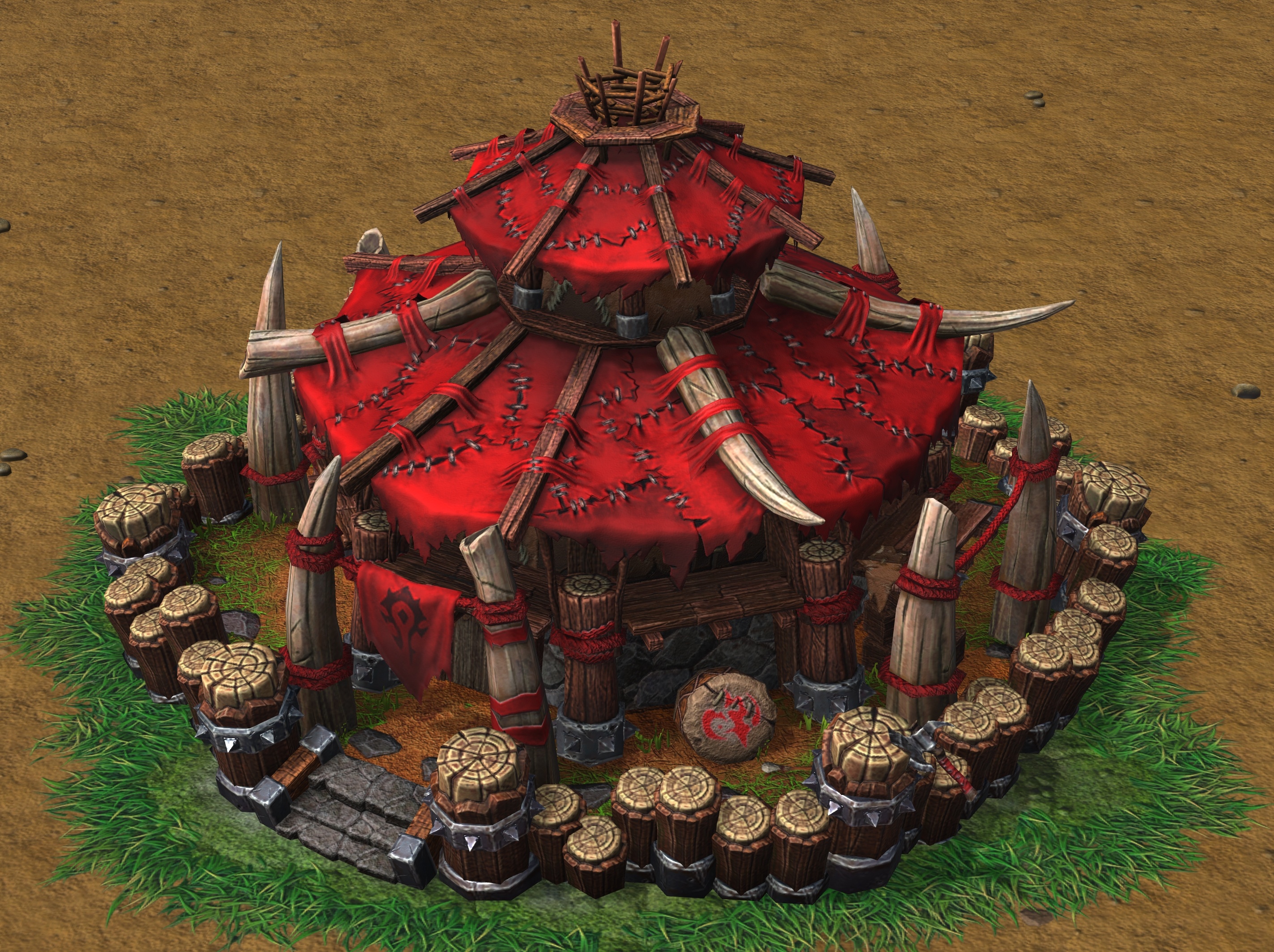
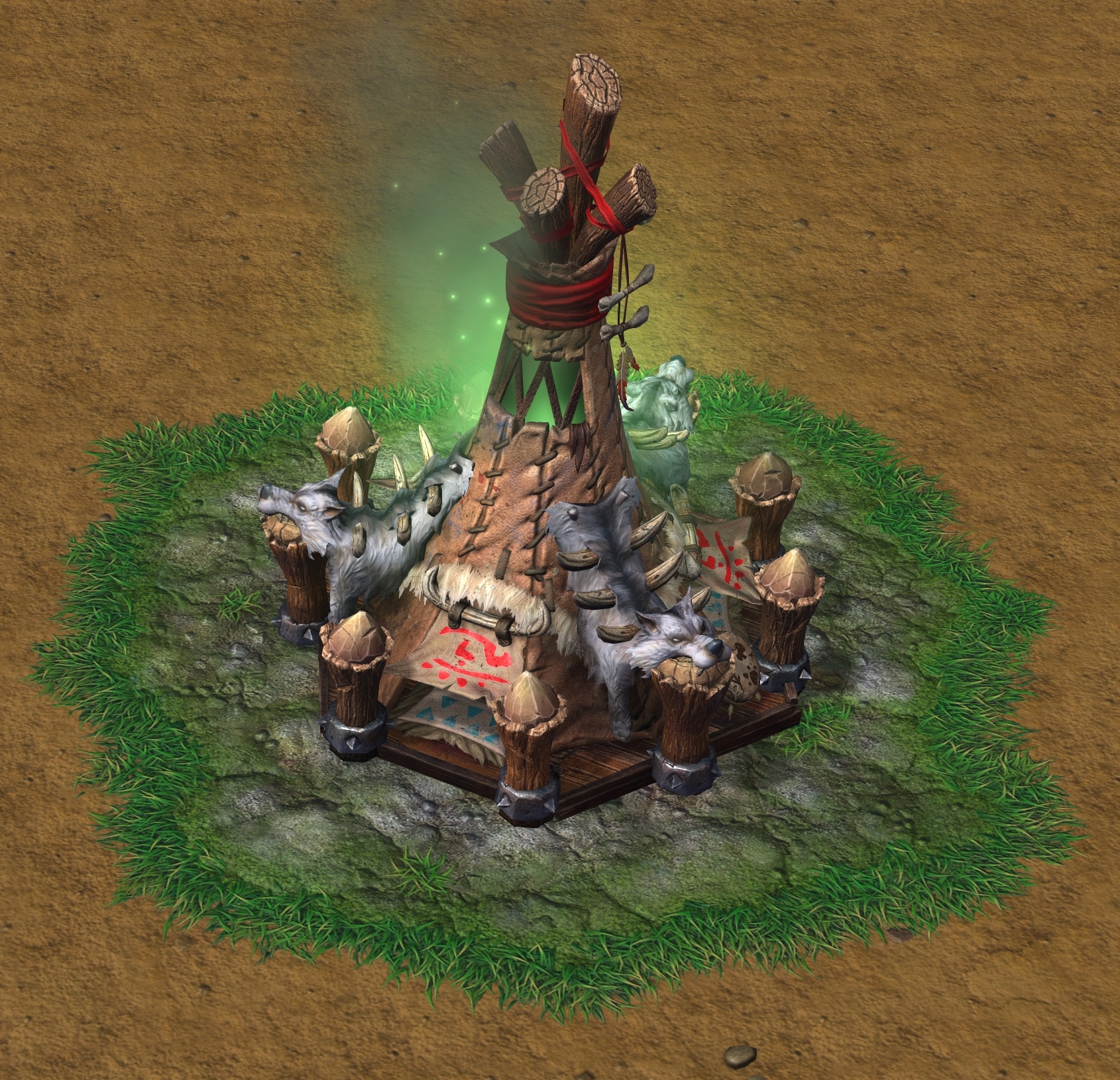
The very name horde conjure up images of something wild and untamed, something large and dangerous, an entity without number. The horde al consists of creatures that are in traditional contemporary fantasy seen as evil or villainous, be it trolls, minotaurs or Orcs. Their aesthetics and architecture conjure images of huts, bone jewellery and large ceremonial masks. They are set as the other and alien, in the case of Orcs in a rather literal sense, since they are later described as literal aliens. (Blizzard entertainment, 2002)

Source: https://www.wowhead.com/news/warcraft-iii-reforged-models-dark-portal-alliance-horde-campaign-buildings-295705

The description of the Horde cultures are often described as warlike or savage, in contrast to the more civilized and organized alliance organisations. The lands of the Horde is presented as wild mountain chains and far reaching savannas. The magical and spiritual practices in particular rely heavily on largely of shamans, totems and spirits. In particular when it comes to the Troll faction, that is explicitly “practising voodoo”. (Blizzard entertainment, 2002)

Source: https://www.wowhead.com/news/warcraft-iii-reforged-models-dark-portal-alliance-horde-campaign-buildings-295705

The horde is inescapable tied to the traditions and tropes of modern fantasy, many that has its roots in the era of Lord of the rings and other Tolkien works. While i would do a disservice by labelling the Horde as explicitly evil, it is still inportant to what the imagery of the faction tells us about them, and the work as a whole. (Blizzard entertainment, 2002)

The Alliance

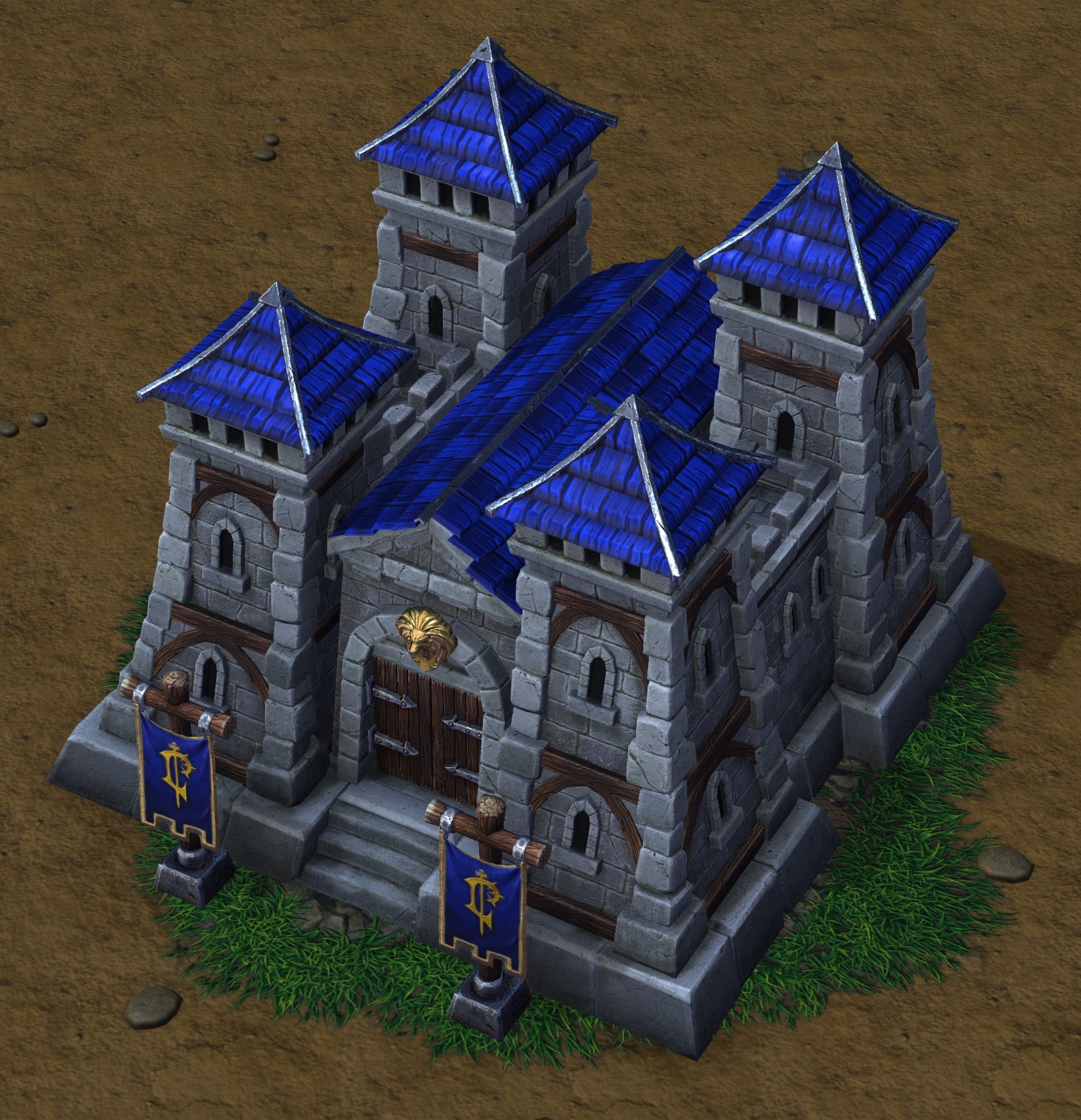
The alliance are made up of Elves, Gnomes and Humans, al races that closely resembles humans. More specificity does the alliance of warcraft 3 consists of, humans, dwarves and elves. Note that these races are often portrayed as the forces of good and order, following the traditions once again of J,R,R Tolkien. (Blizzard entertainment, 2002) The visuals of the Alliance are almost uniformly a romanticised version of renaissance and medical Europe, with grand forts, temples and factories. (Blizzard entertainment, 2002)

https://wow.zamimg.com/uploads/screenshots/normal/877429.jpg
Source: https://www.wowhead.com/news/warcraft-iii-reforged-models-dark-portal-alliance-horde-campaign-buildings-295705

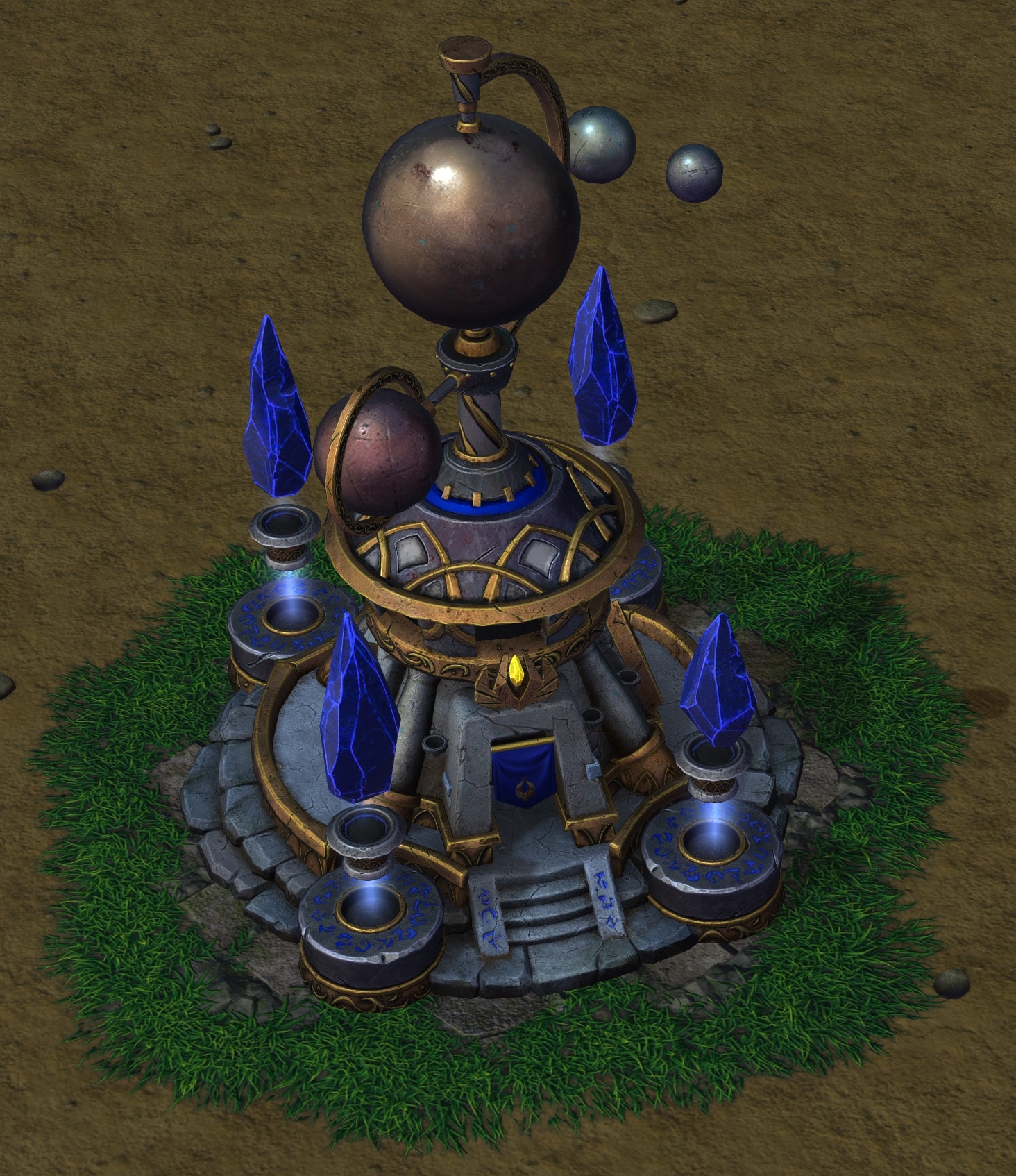
The imagery of the Alliance is uniform and ordered, even tough the trademark cartoonish and busy visual language of Blizzard entertainment shines trough. The alliance is made out of cultures of high art, order, faith and wisdom. their magical practices comes in form of learned individuals and scholars, practising their craft in grand academies. (Blizzard entertainment, 2002)

https://wow.zamimg.com/uploads/screenshots/normal/877427.jpg
Source: https://www.wowhead.com/news/warcraft-iii-reforged-models-dark-portal-alliance-horde-campaign-buildings-295705

Their religious orders are made out of pious monks and devout paladins, their armies made out of knights and heavily armoured footmen, supported by archers and black powdered artillery. This is in stark contrast to the savage and direct tactics of the Horde. (Blizzard entertainment, 2002)

https://wow.zamimg.com/uploads/screenshots/normal/877430.jpg
Source: https://www.wowhead.com/news/warcraft-iii-reforged-models-dark-portal-alliance-horde-campaign-buildings-295705

I must once again reiterate that the status of the status of the Alliance as the heroes of the narrative in Warcraft 3 is far from clear-cut, and a lot of the narrative works to subvert this expectation. None the less is it important to evaluate what the visual language tells us about these faction, and what they tell us about the narrative as a whole. By evaluation what the visual language of the coded heroes in warcraft 3, can we find trends that runs trough much of its contemporary fantasy tropes and narratives.

Conclusions

I have in this text presented a series of basic concept that I will use to further discuss the idea of othering in the Warcraft 3 narrative. I have furthermore presented some basic differentiations and touchpoints that we will return to again and again in this series. One could argue that al these differences are made explicitly to show how different the two factions are from each other, and to explain the many wars in the narrative. I would argue that it is inportant to show what these differences are, and how they are presented, and more importantly, to shine light on the real life prejudices and assumptions that created these differences in the first place.

References

Mushtaq, Hammad (2011), Othering, Stereotyping and Hybridity in Fiction: A Post-Colonial Analysis of Conrad’s Heart of Darkness and Coetzee’s Waiting for the Barbarians. Journal of Language and Literature, No. 3, Available at SSRN: https://ssrn.com/abstract=1679116

Spiecker, Tara (2011) Beat Those Sleepy Slackers!: Color-Blind Racism in World of Warcraft’s Valley of Trials, Quadrivium: A Journal of Multidisciplinary Scholarship: Vol. 3 : Iss. 1 , Article 4. Available at: https://nsuworks.nova.edu/quadrivium/vol3/iss1/4

Tally, Jr., Robert T. (2010) Let Us Now Praise Famous Orcs: Simple Humanity in Tolkien’s Inhuman Creatures, Mythlore: A Journal of J.R.R. Tolkien, C.S. Lewis, Charles Williams, and Mythopoeic Literature: Vol. 29 : No. 1 , Article 3.
Available at: https://dc.swosu.edu/mythlore/vol29/iss1/3

Warcraft 3. Blizzard entertainment, 2002.

Warhammer 40k an in depth analysis: Part 3, The Eldar: part 6, The followers of the Laughing god.

Introduction

Our final segment of this series will describe a faction, that unlike any other Eldar sub faction do not have a direct connection to any fantasy trope per say, but is instead related to a much larger trope, that of the trickster. In this chapter will I once again give a comprehensive overview of the Harlequin Eldar as a faction. Furthermore will I present the trope of the trickster, as well as the role of the Harlequin within the concept of medieval theatre.

The trickster trope and the god of tricks

To properly understand these strange and erratic Eldar, must one first understand the trope that they are build upon. The idea of the trickster is one that can be seen in numerous cultures and myths. In Norse mythology we have the great shapeshifting Loki.

Trickster deities

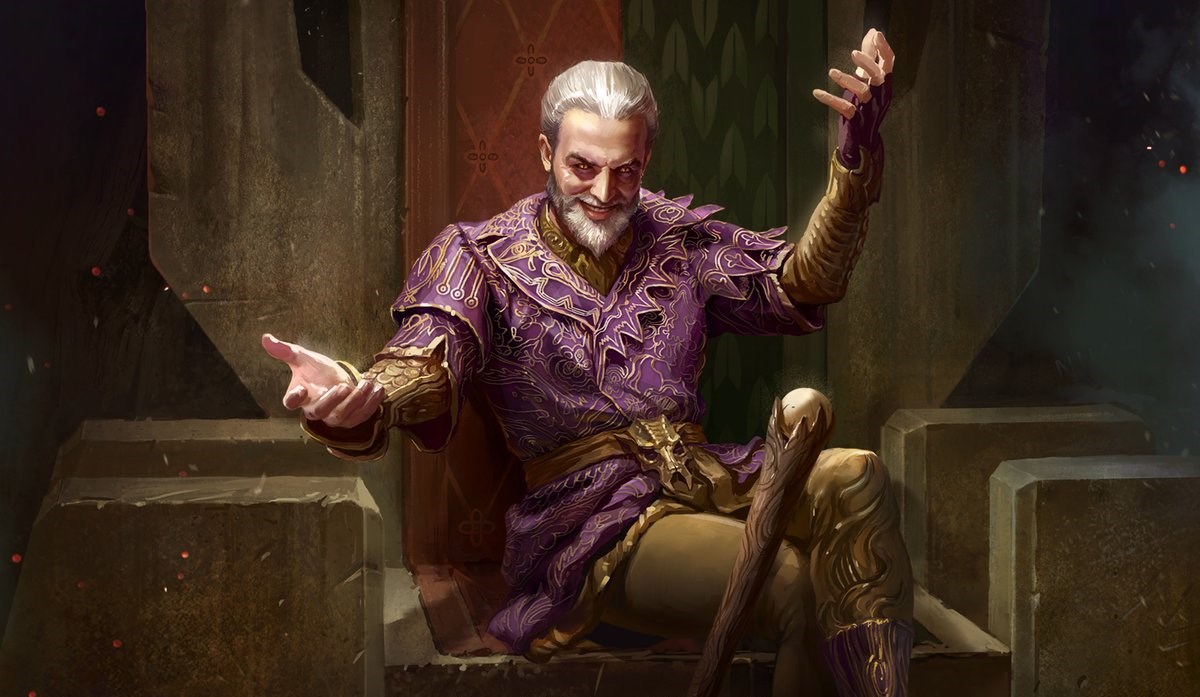
The trickster exist in one form or another within numerous faiths across the world. Sometimes in an antagonistic form, sometimes as a protagonist, but mostly they seem to switch roles as their mood changes. From pop culture we can also find examples of trickster deities, such as Sheagorath from the Elder Scrolls series. Many of these spirits or gods tends to really on their wit and intelligence, and often strive to show up their fellow gods as well as high and might mortals by tricking or pranking them in some way. The trickster gods tends to be morally ambivalent in their actions, and often simply work towards their own amusement. (Haase 2007)

https://cdn.mos.cms.futurecdn.net/dJu7rxbHZqi4ikc4EgtzaR.jpg
Source: https://cdn.mos.cms.futurecdn.net/dJu7rxbHZqi4ikc4EgtzaR.jpg

The trickster gods are often the embodiment of transgressions of norms and rules, often mixing and disregarding bounders between feminine and masculine, good and evil, homosexual and heterosexual, wise and foolish etcetera. (Haase 2007)

The character of the trickster

A trope that can be found within a large set of cultures and their written and oral traditions. Many myths and legends from the African hero Anansi the spider, to Loki of north mythology and more modern examples such as the Doctor from the series of Doctor who, and the Joker from the batman comics. (Haase 2007)

The trickster is often portrayed as a jester, clown, thief or prankster, seemingly working for no real goals other then for their own amusement. In folk lore they are often seen physically weak characters that wins the day trough their natural wit and sense of humour. (Haase 2007) They are sometimes presenters as heroes, but other times seems to live only to create chaos or acts fully for their own amusements. The tricksters roll in many narratives is to make fun out of established routines and power structures, and causing even the mightiest to fall.Fans of the Elder scrolls series are most likely familiar with the race of Kajiit, a catlike folk that in many ways honour and respect the many aspects of the trickster archetype, something we will discuss further in an upcoming series on the Elder scrolls universe! (Bethesda 2016)

The Harlequin in history and pop culture

Taking on many forms during the ages, but the version I will primarily look at today is the Harlequin of the Italian comedy school known as the commedia dell’arte. The role of the Harlequin was primarily to provide acrobatic amusements besides the more comical antics of the Joker and the clowns. Besides the acrobatic antics of the harlequin where they seminally also famous for sharp whit and mixing high and lowbrow humour.

Harlequin - Wikipedia

The Harlequin was, just as the rest of the trope, incredibly colourful dressed, often wearing a full or partial mask, as well as large patterned uniforms. One of their more common unifying features being their black masks. The most inportant tropes of the harlequin are seemingly to be to be able to combine wit with absent-minded, elegance with clumsiness, to internalise both qualities at once.

The Harlequin Eldar

As we have discussed in the introduction, are the Harlequin Eldar seen as strange and mysterious, even by their own kind. These individuals travel in troupes or small theatrical societies, and dedicate their lives to the perseveration of the cultures, myths and knowlage of the ancient Eldar empire.

The laughing god

Amongst the only one of the Eldar deities that escaped destruction at the hands of Slaanesh. Cegorach or the laughing god hides within the Webway, where he plots and schemes, and leads his followers from the shadows. The followers of Cegorach are unique amongst the Eldar, for they seem to live fully without fear for their souls. It seems as the trickster god has managed to ferry away the souls of his followers, away from the hungry eyes of Slaanesh. (Games Workshop 2015)

Cegorach plans and schemes from within the Webway, always looking for new ways to make a fool out of the great enemy, and at the end of times, the laughing god will reveal his greatest trick, and perhaps even manage to save the Eldar race. Cegorach shares many traits common to other trickster gods, both in pop culture and in ancient myths. Cegorach relies primarily on his wit and sense of humour rather then strength or magical abilities, and while the laughing god are happy to help his followers, as well as play pranks on their greatest enemy, does it seem that he is equally fine with spoiling the plans for anyone that are to high and might and sure about themselves, one would amuse that this would also entails fair amount of Eldar Far seers. (Games Workshop 2015)

The elder trickster god is not to be confused with the Necron god The deceiver. This ancient entity is seemingly the cause of the Necrons transformation in to the metallic undead creatures they later become. It is worth noting that both of these warring factions each has their own version of the trickster myth. While the Eldar god is benevolent to his followers, and uses his trickery to help them, the god of the Necrons are rather the opposite. Note that this fact does not contradict the trickster character, as they are often morally anbivilant or agnostic, and are in may ways the embodiment of such contradictions. (Games Workshop 2015)

Roles and masks

Much like a medieval theatre, and classic Greek play, are the various characters of each myth and play, represented by colourful masks and costumes. Each troupe member has at least one character dedicated to playing each inportant roll, both off and on stage. Because of the addictive and hypersensitive minds of the Eldar, will the players personality inevitably start to blend with the rolls they play. (Games Workshop 2015)

The masks themselves are constructed ins such a way that the enemies greatest fears are projected back at their enemies. In reality does these masks convey the face of whoever the Eldar is assigned to playing. (Games Workshop 2015)

Nowhere is this more true then with the Eldar that plays the role of Slaanesh themselves. The actor that plays the great enemy is revered, feared and pitted in equal measure. These individuals lives outside of even the Harlequins fractured society, appearing only when their role is needed, either on stage, or at war. (Games Workshop 2015)

The troupes of the Harlequins follows one of tree paths, dark, light and twilight. These paths inform the philosophies the Eldar follow both in and out of combat. The light path is focused primarily on the telling of grand heroes and triumphant adventures, where the dark troupes focuses on tragedy, villains and darkness, the twilight seeks to convey transitions between the paths. (Games Workshop 2015)

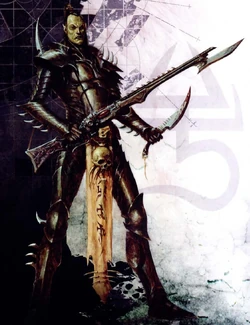
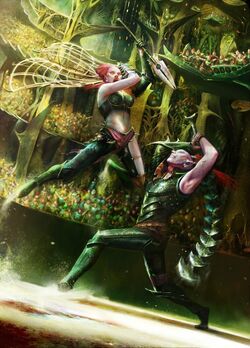
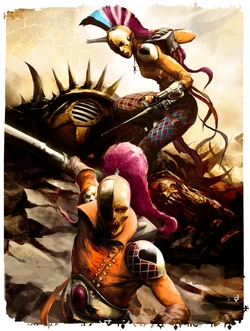
Female Harlequin Player Midnight Sorrow
It is not difficult to find visual cues tying the Eldar harlequin to their historical counterparts. Both parties wear full masks, as well as colourful large patterned clothing. While many of the roles played by the Eldar are tied to the traditional roles of the Harlequin, that of acrobatics and speed, will the harlequin Eldar play every single role of the traditional French comedy troupe. (Games Workshop 2015)

War as art

Even more so then then their cousins the Dark Eldar and Craftworld Eldar, does the Harlequins see conflict and warfare as another stage upon which to perform their craft. Each fighter knows their own role, and the others in their troupe fully, and completely, both when it comes to their combat roles, and their specific parts of their play. (Games Workshop 2015)

Acrobats perform daring stunts in melee, and dark jesters bring death to the enemy in the most ironic and tragi-comical way possible. Often tying each death to some sort of poetic irony, they take out their foes from afar. (Games Workshop 2015)

Al of the harlequins war machines, and specialised combat units are riddled in myths and latened with symbolic meaning. This once again ties in to how close art and war are tied, not only in harlequin performances, but in the Eldar society as a whole. (Games Workshop 2015)

The role of the trickster is one that both Cegorach and his worshipers follows rather well, as their actions are guided by tricking and fooling their enemies as much it is to defeat them. (Games Workshop 2015)

Conclusions

The harlequin Eldar is a highly interesting faction, and one that ties the other Eldar together, both figuratively, and within fiction. There are several truthiness that can be found throughout the Eldar factions, and most, if not al can be found with the harlequin Eldar. Just like the Exodietes do the Harlequin Eldar do their best to keep the old ways and traditions alive. The harlequins are endless wanderers, just as their cousins, the Craftworld Eldar, and just like the Dark Eldar do they see war more as an expression of art, then a means for survival or conquest. Note that the Harlequin Eldar seems to take their role as storytellers as seriously as they do their duties on the battlefield, and more often then not are the two closely interwoven.

The close ties to the medieval French theatre form, in many ways makes the Harlequin Eldar stand apart from the previous factions we have looked at so far. Other then perhaps the Sisters of battle have no other faction been so closely tied to such a specific cultural concept. In the Eldar harlequin we can also see ties medieval European cultures, a trend we saw time and again within the Imperium of mankind, but then from a mainly British point of view.

The role of the trickster is one that both Cegorach and his worshipers follows rather well, as their actions are guided by tricking and fooling their enemies as much it is to defeat them. (Games Workshop 2015)

References

The elder scrolls V Skyrim. (Special edition). (2016). [Rockville, Md]: Bethesda.

Donald, Haase. (2007). The Greenwood encyclopedia of folktales and fairy tales

Te Velde, H. (1968). The Egyptian God Seth as a Trickster. Journal of the American Research Center in Egypt,7, 37-40. doi:10.2307/40000633

Codex: Harelquin Eldar (7th Edition), Games Workshop, 2015 (2)

Dungeons and Dragons and History Part 4: The Sorceress

Introduction

The sorcerer is a wildly varied term, and once that has a number of connotations depending on which context it is used in, much like many of the other classes we have discussed so far in this series. As before will this text focus on comparing the Dungeons and dragons class to elements that can be found, primarily in western culture and myth.

The fantastical spellcaster

The sorcerer of the D&D universe represents one of several approaches to casting magic. What makes the sorcerer/sorceress unique is that they are seemingly given their magical abilities without any personal involvement, be it from birth or other external events, this puts them in stark contract to the Warlock, who has often needed to pay a great price for their magical abilities. (Wizards of the Coast 2014)

The natural spellcaster

The gifts of magic comes natural to the sorcerer, they do not need to study, mediate or mediate for their powers, instead it comes from some sort of internal pre existing ability. This sets them apart to most other spellcasters we will discuss in this series. The players handbook describes a series of origins for the sorcerers powers. (Wizards of the Coast 2014)

Source: https://www.dndbeyond.com/classes/sorcerer

Origins of power

The sorcerers of D&D always have some form of source for their arcane abilities. One of the more common ways are from gaining them from their parental heritage. Some have gotten their powers by exposure to strange magical energies, or divine forcers, other had them gifted to them by other magical being. What sets the Sorcerer apart from other spellcasters in D&D is that their magical abilities was never a result of a conscious depiction by the individual, and is described in the player handbook as a blessing as well as a curse. One interesting origin that the player handbook mentions again and again is the powers gained by the individuals connection to a draconic bloodline, tying them to one of the more iconic creatures, and the namesake of the series. (Wizards of the Coast 2014)

While some see their powers as blessings and wish to further their master y and understanding of them, do other see them as a curse or unwanted source of trouble. The sense of a curse becomes even more apparent when looking at the sorcerers origin known as “wild magic”. These sorcerers have inherited a form of wild and sometimes unpredictable set of magical skills, that can pose a real danger to themselves and everyone around them. (Wizards of the Coast 2014)

Changing the nature of magic

The sorcerers are described as having no need of “tomes and dusty books”, their mastery of the arcane art instead coming from training and intuition. In gameplay terms does this fact represent itself by the sorcerers ability to change certain properties of their spells on the fly, such as chancing a smells damage type, duration or intended effect. It is made clear that these magical abilities comes not from years of study, or from external powers, but rather from the innate powers of the sorcerer themselves. (Wizards of the Coast 2014)

The face of the real life sorcerer

The word sorcerer is one that has been used liberally and with huge variety in a number of contexts. In this chapter will we analyse a few of these and compare them to what we have discussed about the Dungeons and Dragons Sorcerer.

The ancient sorcerer

The idea of the sorcerer, as one that conducts sorcery has existed for as long as we have had recorded history. This individual has enacted certain rites and performed certain actions in order to magically produce certain results. Russel argues that sorcery by its nature is more intuitive and instinctive then methodical. This is in comparison to high magic that is more of an empirical and spiritually enlightened path. (Russel 2007)

Russel makes a distinction that can be found in many society between good and bad magic, and links the former to publicly accepted forms of magic meant to help the society, and private forms of sorcery made for personal gain or profit. (Russel 2007) Note that while D&D does not make any sort of distinction between the validity or justness of one classes use of magic above another, does the Sorcerer of D&D take on a more naturalistic or intuitive form of magic compared to for example the Bard or the Wizard.

High and low magic

As described in my chapter of the Wizard, does the medieval western studies of the arcane make a distinction between the high magic of the mage and the wizard as the learned and logical forms of magic, while sorcery and witchcraft is seen as a low, institutive and dangers form of magic, often relating to the the dealings with demons and other evil spirits. (Russel 2007)

The lower arcane traditions, sometimes called sorcery was seen as dangerous, physical and feminine. In contrast was high magic seen as ethereal, intellectual and masculine. (Wilson 2018) The Greeks for example created two forms of magic, the high form of magic called Theurgia, translated to “working things pertaining to the gods. This was seen as a benevolent form of high magic and very close to religion. The second from was called magia and can be considered to be much closer to sorcery. The low form of magia quickly gained a reputation of being harmful or even fraudulent. (Russel 2007) While the sorcerer in D&D is on now way presented as more evil or malicious then say a wizard, they are presented as more intuitive, and in some cases more wild and dangerous. I would argue, just as I have in my chapter on wizards, that the dichotomy between sorcerers and wizards in D&D can easily be linked to the dichotomy of high and low magic (Wizards of the Coast 2014).

High forms of magic in these contexts were often the domain of wise men who with the power of pure intelligence and willpower created grand miracles, while the lower forms of magic, or sorcery was often seen relating to the use of spells, potions and amulet’s, areas that in D&D is more often associated with the wizards of the world. (Russel 2007)

Lastly, can high and low magic be defined in to the categories of permitted public magic done in the name of the local faith, and the private, informal magic done against the wishes of the ruling theocratic elite. (Russel 2007)

The demon summoning sorcerer

One way the sorcerer is used in texts concerning occultism is to act as an evil “other” to the more good or righteous wizard or mage. Much like the concepts concerning the Warlock, are these individuals magic users that conspires with dark end evil forces rather then using more divine or personal means of magic incrustations. it is hard in some cases to draw a clear line between what should be considered sorcery, and what should fall under the preview of diabolism, such as the case with several cultures such as ancient Greece and Babylonia. (Russel 2007)

Conclusions

I have in this chapter presented various aspects of the sorcerers class in D&D 5th edition, as well as presented a few definitions of sorcerers and sorcery across history. Note that these definitions are in no way extensive, or representative of al definitions of sorcery across history. They are on the other hand a starting point to introduce the reader to a long traditions of sorcery across several cultures and historical eras.

Most relevant to our discussion of D&D is the differentiation of the lower or more intuitive version of magic next to the more higher forms of magic, that can be found in the D&D class of wizard. While nowhere as judgemental or derogatory as many of the definitions of sorcery we have discussed here, there is still an interesting discussion to have around the possible classicism and elitism that exists between the various forms of magic in D&D.

Lastly do I want to draw the attention of the reader to the fact that many times in defining Sorcery throughout this texts, has the goal of many of these definitions seem to be to create some sort of other. A less valid, pure or legal form of magic, that can act as an antagonist to the true and pure forms of theology or magic. We will return to this train of thought once we have discussed al the magically gifted classes of D&D.

As always, if you found this texts subjects interesting I have provided my sources and additional reading materials in the source list below.

Sources

Agrippa von Nettesheim, H.C. (1986). Three books of occult philosophy … London: Chthonios.

Lévi, Eliphas (2017) The Doctrine and Ritual of High Magic : A New Translation

Russell, J.B. & Alexander, B. (2007). A history of witchcraft: sorcerers, heretics and pagans. (2nd ed.) New York: Thames & Hudson.

Wilson, D.K. (2018). A magical world: superstition and science from the Renaissance to the Enlightenment. (First Pegasus books hard-cover edition.) New York, NY: Pegasus Books, Ltd.

Wizards of the Coast (2014). Dungeons & dragons Player’s handbook. Renton, WA: Wizards of the Coast LLC.

Warhammer 40k an in depth analysis: Part 3, The Eldar: part 5, Nature and the old ways.

Introduction

The Exodite Eldar was the first to leave the Empire, and the first to start their new lives away from the horrors and debauchery of the old Empire. The Exodite chose to settle down on planets that had been seeded aeons ago, to become new paradise worlds for the Eldar. We will use these Eldar to discuss and analyse two concepts, the trope of the “wood elf”, as well as the concept of nature versus civilisation.

The Exodites

This faction will be the first one we analyse that do not have an army, or a codex of its own, this means we will unfortunately have a lot less material to work with then we usually do. When mentioned in the Dark Eldar and Craftworld Eldar codexes are they usually done so as an “other”, those that has chosen another path. With that said will we do our best to puzzle together a picture of this faction from what we have.

Being the first one to leave the encroaching madness and sadism of the Old empire, can the Exodites very well be seen as an expression of keeping on to old ways and traditions. Their names being a play on the term Exodus, or mass emigration. The Exodite lives on what is called “paradise worlds”, and while very sparsely and contradictory described, are they represented as the last hope for both a bright Eldar future, as well as the preservation of the Eldars glorious past. These worlds were colonized and terraformed in the glory days of the Eldar empire to one day become the homes of rich and power full Eldar elite. One of the few defining features we get in the Exodite Eldar in the 7th and 6th edition Eldar Codexes is that of the world tree. Working much as the infinity circuit of the Craftworlds their cousins use, a World tree is where the departed souls of the Exodite Eldar go to rest, and be at once with its ancestors. The theme of a world tree is one that can be found in numerous narratives, one of the most recent example being David Cameron’s Avatar series. The concept of the world tree or the life tree is one that is worth its own chapter in the future. A few examples of the World tree in mythology would be Yggdrasill, as well as the tree of life in the Kabbalah mystic teachings.

The Eldar and nature

The themes of nature and the unnatural can be found in both the Dark Eldar and Craftworld Eldar codexes. The way that nature is described, as well as how it is used, can tell a lot about these factions, as well as how they function narratively. I have chosen the Eldar as a base for this discussion because of how their different relationships to their surrounding nature helps shape, and is shaped by the kind of society they inhabit.

Commanding nature

The Craftworld Eldar, just as their predecessors seems to have vast powers to change their surrounding to their will. In their glory day was the Eldar able to “create and destroy suns at their whims fancy”. Their ships and tools are described as being grown rather then built. These tools and structures are described as being as much organic beings, as they are inanimate constructs. The Bonesingers are described as using music to coax and lead the Wraith-bone they use in to the desired effect.

Defying nature

Much of the Dark Eldar themes circle around power, and defiance of power. The freedom of the strong to impose their will on the weak. The dark Eldar has the same mentality when it comes to dealing with al manners of natural phenomena, be it the imprisoned suns that power their city, or their constant struggle to escape entropy and death at any cost.

the most striking example of this would be the several suns that the Dark Eldar have captured and toed in to their realm, for energy and warmth. The codex makes it clear that the inhabitants look at these suns with destain, as nothing else then a tool, to be used and then discarded.

Living beside nature

The Exodite Eldar are described to have been hardened by the tough life on the Paradise worlds, and are as a result a lot more pragmatic and practical then their cousins. The paradise worlds are at once described as a harsh land full of dangers, and as a paradise, free of disease and predatory creatures. Here these Eldar lives in peace together with their, al be it genetically engineered nature. As a result can it be argued that the worlds of the Exoidets are just as artificial and constructed as the rest of the Eldar species.

Defining nature

In order to properly discuss the Exodite Eldar, must we discuss the concept of nature as a narrative and literary tool. The study of nature in literature is a branch of literary criticism known as ecocriticism, and it concerns itself partly with how nature is described in fiction, and what kind of roll and agency it is given within a certain narrative. By analysing how nature is portrayed in fiction and art, can we learn more about how the cultures that made it, view, or is made to view the concept of Nature. Ecocriticism wishes to question the very concept of Nature, and prove that it is indeed a construct. More specificity is the concept of nature meant to function as a counterweight to the idea of civilisation and the Human domain.

The pastoral

The pastoral is a trope that is found in much of modernist and later western literature. An idyllic view of the countryside the sleepy life of a fisherman and shepherd, living at the border between nature and civilisation. Here is where the “simple life” can be found, and humanity is free to live “as they should”, away from stress, smog and the evils of civilisations, while still not becoming fully “wild”. The Shire, home of the Hobbits in Tolkiens Lord of the Rings series is a great example of such a pastoral environment.

The pastoral is an other as well, one set up against the normalcy of city life. A pintoresque image, with very little, if any base in contemporary reality. The refuge where the modern man can escape from the corruption and vice of the modern world. (Tenngart 2008)

The wilderness and the walled garden

One idea of how to define nature, is to define what it is not. One way is to describe it as, “the land beyond the control of humans”. To put nature at the place where civilisation and humanity ends, and something else begins. Nature is in this sense presented as the other, the wild and strange, and sometimes, the lesser. The garden next to the woods is a good example of this dichotomy. Imagine a hedge, on one side is a neatly cut lawn, a well planned out pond with fish, and beautifully arranged flowerbeds. On the other side of the hedge is the woods, this also full of grass, flowers, and lakes full of fish. Both ingredients exits in both worlds, the only difference being that, on one side do humanity have control, on the other, they do not. (Tenngart 2008)

Some ecocriticical researchers argue that the underlying deviation between the wilderness and the walled garden is to glorify the one over the other. The philosopher Rousseau sought to uplift what he saw as the “wild and savage” indigenous human as more natural and free then the stifled and corrupt human that lived in the walls of civilisation. More materialist inclined thinkers would argue that the wilds are dangerous and savage, and it is the right, and even the duty of humanity to tame it, and save it from itself whenever possible. Both arguments have been used against marginalisation and mistreatment of marginalised groups, and used to justify colonisation and similar atrocities. (Tenngart 2008)

Nature and the feminine

Nature has also often in art and literature, especially in the west, been described as feminine. The emotional and wild, set against the masculine ordered and logical. The phrase Mother nature or Gaia perhaps comes to mind. This ties in to a wider discussion of the duality of feminine and masculine in popular myths that we unfortunately do not have time to dive in to here, but is one we will return to in the future.

This field of study falls under the term Ecofemenism, and it has as a goal to discuss how gendered rolls appears within descriptions of nature. One example would be that nature is framed as passive, against the more active civilisation, a dichotomy that is pointed out between feminine and masculine in much of feminist theory. (Tenngart 2008)

The wild Elf

The last part of our discussion will look at the trope of the Wood elf in a number of incarnations. We will once again primarily use the same texts for our basis as we did in previous Eldar texts, those being Tolkien’s Lord of the rings, Bethesda’s Elder scrolls series, Wizard of the coasts Dungeons and Dragons franchise, as well as Games Workshops Warhammer fantasy works.

The deep woods

One of the defining features of al the elves analysed is that they live in the wilderness, specificity a western European idea of the wilderness, the deep woods. The deep wood is a classic setting in many classical European myths and stories, as it was indeed a dangerous and foreboding place, full of brigades and wild animals. These areas are often seen as both hellish, as well as paradisical, where none of the normal laws of civilisation applies, at lest, not to the same extent.

The Murkmire of the Lotr, the Deepwood of the Warhammer fantasy battles franchises, and Valenwood of the Elder scrolls series al fall within this description rather nicely. Al of these areas are full of dangerous flora and fauna, and al are generally avoided by more “civilised” people and cultures.

The wild once

Another shared theme amongst al these texts, are that the Wood Elf is seen as wild, and or unpredictable. In Warhammer fantasy can we find this theme in the form of the Wild hunts. Where the wood Elves ride out and indescribability hunt humans and beasts. The Elder Scrolls Elves are described as fighting constantly with their wild selves, being represented as the ability to shape shift in to animals and other beasts. Furthermore are al of these cultures and peoples, in one way or another set as the Other. In order to be wild, there must be a civilised for one to compare themselves against. Note that the difference between civilisation and wilderness, carries different connotations in different works. (Bethesta 2016)

The Wood elves in Warhammer fantasy battles are similarly described as wild, unpredictable and violent. They are described as going on “wild hunts”, whee they attack anything and anyone in their path, murdering them indiscriminately. (Games Workshop 2013)

Children of nature

The last theme that these Elves have in common is some sort of bond with the woods they live in and off, the most extreme being the green pact of the Elder Scrolls series. The wood elves, or Bosmer, has sworn of eating any form of plant life, as well as deliberately harming any living plant. As a result do they only eat meat, and just like the Craftworld Eldar, do they sing their buildings in to existence, growing them and guiding them using magic. In return is the Bosmer given everything they could ever need. (Bethesta 2016)

The Elves in Warhammer fantasy battles also work in close proximity with the woods they live in, being sworn protectors of the woods, and in return, are allowed to use the Deepwoods as a sanctuary from the evilds of the world beyond. (Games Workshop 2013)

The Exodite and nature

Here we will combine al that we have learned so far, and try and position the Exodite to these already existing tropes and themes. Note that due to the small amount of text we have dedicated to the Exodite Eldar, compared to the other factions, can we only draw rather broad and general connections. As before will be forced to rely on the other Eldar Codexes for detentions of the Exodite Eldar.

It is worth to once again here note that the worlds that the Exodites live on are for all intents and purposes genetically and geologically engineered to be the best possible inhabitation for these civilisations. In other words can the same dichotomy between Eldar and nature not be found here, as it can in the Elven examples I presented earlier.

Conclusions

In this chapter has I introduced the reader to a series of concepts regarding nature and how it relations to fantasy, and science fiction. I have tried to further tie the Eldar race of the Warhammer 40k series to a grander trope of the Elf or Elven creature, as a symbol of the together and the mystical. I have also in this text introduced some inportant literary tools that will be useful as this series continues. The next chapter will present the last sub faction of the Eldar we will take a look at this series, the enigmatic Harlequin Eldar.

References

Tolkien, J.R.R. (1968). The lord of the rings. 1, The fellowship of the ring. (2. ed. 3. imp.) London: Allen & Unwin.

Wizards of the Coast (2014). Dungeons & dragons Player’s handbook. Renton, WA: Wizards of the Coast LLC.

The elder scrolls V Skyrim. (Special edition). (2016). [Rockville, Md]: Bethesda.

Warhammer Armies Wood Elves (8th Edition), Games Workshop, 2013

Codex: Craftworld Eldar (7th Edition), Games Workshop, 2015 (1)

Codex: Harelquin Eldar (7th Edition), Games Workshop, 2015 (2)

Codex: Dark Eldar (7th Edition), Games Workshop, 2014

Kelly,P. Troke, A .Codex: Eldar (6th Edition), 2012

Tenngart, P. (2008). Litteraturteori. (1. uppl.) Malmö: Gleerup.

Iovino, S., & Oppermann, S. (Eds.). (2014). Material ecocriticism. ProQuest Ebook Central https://ebookcentral.proquest.com

Warhammer 40k an in depth analysis: Part 3, The Eldar: part 4, Dark Eldar, The dying shadow.

Introduction

The dark reflection of the once proud Eldar empire, and the second to escape its rotting core. The represents the full indulgence of the dark and hedonistic sides of the Eldar. Living in an unimaginably large fortress city located somewhere in the vast web-way, the Dark Eldar constantly raid the galaxy for new slaves and resources, seemingly safe from any reprisal or attack.

The dark once

the first thing we will discuss in this chapter will be the Dark Eldar themselves. The Dark Eldar is in many ways described as the polar opposite of the Craftworld Eldar. This dichotomy is, as I have mentioned before, is far from exclusive to the Eldars in the Warhammer narrative?

In the case of the Dark Eldar, this differentiation comes in the form of completely and utterly oneself to the pursuit of selfish pleasures and hedonistic violence. This would be to the contrast to the Craftworld Eldars rigid and ordered lifestyle.

A slow death

The Dark Eldar did manage to escape from the initial devouring at the site of Slaanesh birth, seemingly safe within their grand Webway cities. Instead of a fast death, was the Dark Eldar instead subjugated by a much more slow and painful one, as their souls are described to be slowly and painfully being dragged in the warp by “She who thirsts”. (Games Workshop 2014)

This will slowly and painfully age the Dark Eldar, and eventually kill them, if they are not able to find a way to replenish their strength. The theme of the darker elements of the Eldar race being physically corrupted in some ways is also one that can be found in many fantasy narratives. The Orcs in Tolkien’s series is described as tortured and malformed Elves, taking the “purest” of creatures and turning them in to the most base and primal. The Dark Elves in the Elder Scrolls series can also be described in a similar tough a lot less extreme way. The Dunmer, or Dark Elves has had their skin turn grey from the volcanic grey from the lands they inhabit, and their eyes have turned jet black or blood red. (Games Workshop 2014)

DEWarrior
Source: https://warhammer40k.fandom.com/wiki/Drukhari

Feeders of pain

The Dark Eldar has managed to find one thing that will hold Slaanesh at bay, and replenish their shrivelling bodies and souls, this substance is pain. More specificity intense pain, fear and agony, by psychically absorbing the suffering of others are the Dark Eldar able to replenish their rotting bodies and keep Slaanesh at bay, if only for a short while. The more painful and honorific cruel the torture, the more nourishing will the screams of psychic pain be to the Eldar. (Games Workshop 2014)

The Dark Eldar is able to use this ability to keep their bodies young and healthy, but seemingly not their souls, as they are described as being a horrifying rotting mess of stitched together body-parts, if viewed by one with mental abilities. (Games Workshop 2014)

The concept of the Dark Eldar feeding on pain is one that is echoed in the Warhammer Fantasy Dark Elves. They to keep themselves young and powerful with the use of the suffering, in this the case the blood, of their enemies. (Games Workshop 2014)

Dark Eldar and Slaanesh

Feeling her constant grasp on their necks is it not strange that the Dark Eldar might fear She who thirsts most of all. To this end have they banned any use of psychic powers by any inhabitant of their realm, as doing so would bring the interest of Slaanesh themself. (Games Workshop 2014)

Many of the oldest members of the dark Eldar race had a direct hand in the Eldar Empires downfall, and even tough they are spared from the more direct annihilation, might they simply have traded it for a longer and more painful one. (Games Workshop 2014)

A city of nightmares

The city of Commorragh is the home of the Dark Eldar, huge beyond imagining, and twice as cruel. The city works as a good parallel to the Dark Eldar civilisation as a whole, and also one of few places in the 40k narrative that we have such distinct and details and descriptions, sometimes to specific areas of the city. Considering the nature of its inhabitants, and the similarities in its names, it is very possible that the city is at part, a reference to the Biblical city Gomorrah, one of the two cities that was destroyed by god due to their extremely sinful ways. (Games Workshop 2014)

PortofLostSouls
Source: https://warhammer40k.fandom.com/wiki/Commorragh

Architecture of madness

The geometry and shape of Commorragh is one that exists without the grasp of mortal understanding, and trying to examine it to deeply will only lead to madness. The Webway exists, partly in and around the Warp, and is as a result free from the laws of physics found in the Materium. This means that the city was free to grow outwards in every direction, including in and around itself. The city can be described as a series of satellite realms, tiny bubbles in the huge roaring sea of the Warp. Tied with portal and gateways, can these realms be travelled to in the matter of seconds, while they in real space would take many light years to reach. (Games Workshop 2014)

The unimaginably large size, as well as the contradictory and otherworldly geometrical build-up Commorragh follows the themes of scale as well as a focus on the maddening and otherworldly to create a sense of existential dread and cosmic horror. (Games Workshop 2014)

The spectacle of suffering

The main power of the Dark Eldar economy is, without a shadow of a doubt, the pain and suffering of others. The city has many ways of providing the grotesque spectacle to any Eldar with enough capital or clout. The most common form that the average citizen are myriad of gladiatorial games and public slave executions that are held at the vast number of arenas and cities trough the city.

Dark Eldar Gladiators
Source: https://warhammer40k.fandom.com/wiki/Commorragh

These venues allows the richer Eldar to be able to soak in some suffering, and spectacle, at a relatively safe distance. This is not to say that most any Dark Eldar would be above getting their hands dirty, as acts of terrorism, civil war, murder and wanton destruction are some of the most common pastimes in Commorragh.

Layers of power

The Dark Eldar culture is strictly hierarchical and complex in its levels of organization. While the system is incredibly violent and cut-throat, is it also absolutely fair. Anyone can rise to power, regardless of how lowly they started, as long as they are strong, smart and ruthless enough. No once part in the hierarchy is secure, and everyone is fair game to overthrow. (Games Workshop 2014)

The Kabals

The current ruling system of the city. The Kabals present ample opportunity for employment for al that have proven themselves to be skilled and ruthless enough. To be a part of a Kabal grants one of the most sought after luxuries available in Commorragh, protection and a small ounce of security. To attack one member of a Kabal, is to wage war on them al, and the revenge if often swift, painful and completely without remorse. (Games Workshop 2014)

Wytch cults

The gladiators and performers of the various venues throughout the grand city. Here Dark Eldar fight each other as well as strange beasts from across the Materium and the Imaterium for the amusements of the citizens of Commorragh. The term wytch is taken, unsurprisingly from the English word witch. In this context is the witches, and the witch cults, another references to the Warhammer Fantasy Dark Elves: The witch cults of the Dark Elves are responsible for the numerous sacrifices to their dark go Kain, as well as keeping the more prestiges and powerful of their ranks young and beautiful. This is a topic we will cover in much greater detail in the future. (Games Workshop 2014)

Haemonculus covens

The secretive cults of the homunculi are responsible for some of the worst atrocities enacted by the city of Commorragh. These individuals specialise in extracting as much pain as possible from their victims, as well as creating horrid monstrosities of death and suffering. (Games Workshop 2014)

DE Haemonculus
Source: https://warhammer40k.fandom.com/wiki/Haemonculi

The most favoured test subject of the Haemonculi is not seldom, themselves. They are more often then not genetic and mechanical modified beyond recognition, becoming something al together different then their fellow brethren. (Games Workshop 2014)

The term haemonculus, bears a striking similarity to the term Homunculus. A homunculus in the context of western alchemy refers to an individual created partly by the means of magical science. A common trope in fantasy and science fiction, as well as other contemporary media. A homunculus in Dungeons and Dragons is a servant to an alchemist, (Wizards of the Coast 2014) created by his talents, and several sub plots in the manga Full Metal Alchemist centred around the creation and destruction of homunculi. It is interesting to note that in al these contexts is the terms referring to the creation, while the Warhammer term referrers to a creator, tough it can be argued that the haemonculus can be seen as both. The term haemonculus, as well as referring to their trade to alchemy, once again draws a clear line between the Eldar, and a concept of the mystical or occult. (Games Workshop 2014)

Mercenaries and Xenos

There are many more then simply Eldar that lives in Commorragh, for the town is described as a haven for the depraved, desperate and outcast. Several xeno races can be found in the slums surrounding the great cities spires. Here they live a life of urban warfare and constant strife, waging war for the lucrative contracts of the Kabals. (Games Workshop 2014)

Many of the great Kabals hires mercenaries to do their dirty work for them. The inclusion of these cities and towns of alien mercenaries gives the Dark Eldar another interesting point of contention with their Craftworld counterparts. The Craftworld Eldar loathe to deal with “lesser species”, and would never. (Games Workshop 2014)

Slaves

The most numerous inhabitants of the dreaded city of Commorragh are the slaves gathered in the numerous raids of the Dark Eldar. These slaves are used in everything from factory work, to the creation of morbid art. Most importantly are they used to sustain the youth and power of the Dark Eldar. These slaves are kept without chains or cells, for escaping their compounds would only mean a more painful demise elsewhere. (Games Workshop 2014)

Pain and slaves

The Dark Eldar goes to war for two things, to collect slaves, and to cause suffering, and they have grown incredibly proficient in both. Like the other members of their species does they Dark Eldar rely on speed and skill to win their fights, relying on fear and shock tactics to take their pray by surprise. These similarities would make it highly difficult for an enemy to be sure what kind of Eldar they are being attacked by, and it is described in the Eldar Codexes, that most humans see no distinction at al between the separate factions. (Games Workshop 2014)

Due to the fact that the Dark Eldar destains and distrust psychic powers in al their forms, are their forces made to rely fully on their martial skills. This has lead them to become brutal and efficient combatants, both at range and in close combat. (Games Workshop 2014)

Raiders from the void

Only the most skilled and favoured of the many fighters and murderers of Commorragh are picked for the raids in to real spaces. The raiding fleets are manned by a kabals most skilled and seasoned troops. One again does the Dark Eladar work as a dark Shadow to their Craftwold cousins. Where the craftworld Eldar see it as their duty to protect their home and loved once, does the citizens of Commorragh consider it a privilege to get a chance to torture and enslave the foes of their fair city, using their bare hands. (Games Workshop 2014)

Machines of suffering

Like much else of the Dark Eldar war machinery, are they first and foremost created to induce fear and hopelessness in their foes, sometimes seemingly forgoing practicality in favour of spectacle. With that said is the machinery equally, if not even more deadly then those of their Craftworld counterparts. (Games Workshop 2014)

Some of these machines are manned and maintained by the same Kabals that lead the raids, others are taken in from allied Haumunculi covens and Wytch rings. The machines of the Haumunculi in particular is the stuff of nightmares. (Games Workshop 2014)

Performers of torment

Like the harlequins, and the Craftworld Edlar, do their darker cousins see warfare partly as a form of art. The Dark Eldars performances is not a show of mastery of skill and the beauty of perfecting a strategy, but rather sheer spectacle. Their goal is to create as much as pain and suffering in as many of their victims as possible, before escaping with large quantities of slaves and loot. By waging war in this way, can the combating Eldar feed on the essence of their fallen foes, and grow stronger from it. (Games Workshop 2014)

No other troops in the Dark Eldar army represents this doctrine better then the gladiators of the Wytch cults. Well practised in the art form entertaining jaded Dark Eldar nobles with strange new forms of cruelty, are they more then suited to work their same skills on the battlefield, sowing fear and pain wherever they go. (Games Workshop 2014)

Conclusions

As mentioned already in the introduction is the Dark Eldar the darker and repressed side of the Eldar species. They represent hedonism, debauchery and shameless indulgence. At the same time do they also represent a society of absolute fairness, no one is safe, and everyone is a fair target. Anyone, at least as long as they are Eldar, can rise to the top of the food chain, as long as they are clever and underhanded enough to do so.

Next chapter will be dedicated to the wood elf allegory in the 40k world. I will take this time to introduce you to the study of nature in literature, and how a work describe nature, can tell us a lot about the work, as well as the context in which it was written.

References

Tolkien, J.R.R. (1968). The lord of the rings. 1, The fellowship of the ring. (2. ed. 3. imp.) London: Allen & Unwin.

Wizards of the Coast (2014). Dungeons & dragons Player’s handbook. Renton, WA: Wizards of the Coast LLC.

The elder scrolls V Skyrim. (Special edition). (2016). [Rockville, Md]: Bethesda.

Warhammer Armies High Elves ( 8th Edition), Games Workshop, 2017

Codex: Craftworld Eldar (7th Edition), Games Workshop, 2015 (1)

Codex: Harelquin Eldar (7th Edition), Games Workshop, 2015 (2)

Codex: Dark Eldar (7th Edition), Games Workshop, 2014

Kelly,P. Troke, A .Codex: Eldar (6th Edition), 2012

Warhammer 40k an in depth analysis: Part 3, The Eldar: part 2, Craftworld Eldar, glory of the past.

Introduction

The first factions we will take a look at is the stoic and noble Craftworld Eldar. The Craftworld Eldar follows a strict rules of life, in order to try prevent the past from repeating itself. The Craftworld Eldar stands for an age gone by, and the glory of the long lost past. This chapter will compare the themes and myths of the Craftworld Eldar to that of the high Elf and other “high born”, fictional civilisations and races. (Games Workshop, 2015)

Discipline and honour

The sense of duty, honour and discipline is something that permeates throughout the Craftworld Eldar narratives. These themes can partly be tied to the idea of the high elven tropes we discussed. These themes are also tied rather closely to many of the myths and stories surrounding the samurai. This discipline is what chiefly separates the Craftworld Eldar from their darker counterparts. (Games Workshop, 2015)

The paths of discipline

To stop themselves from ever again falling to their base needs and desires, does the Craftworld Eldar follow a strict code of conduct, and living. These rules takes the forms of several different paths that an Eldar individual can take. These, as mentioned before, ranges form the artistic, to the philosophical to the practice of warfare. (Games Workshop, 2015)

The ways of the paths are an endless routine for the Craftworld Eldar, for as soon as one is masters, must it be discarded in favour of another one. This way the Eldar mind is always occupied, always training and engaging. Without this constant rigour and measured stimulus would the hyperactive mind of the Eldar slowly turn to decadence and obsessions as the decades of their thousand year old lives carries on. (Games Workshop, 2015)

The artistry of war

The paths of the Eldar are varied, and many of them train in martial as well as civil and artistic matters. This is partly shown in the ways that the Eldar wages war. The ideas of art and war being closely tied together, is far from unique to the Warhammer narrative. The Japanese shogunate samurai was for example said to serve with the pen in one hand and the sword in the other. (Games Workshop, 2015)

Eldar autarch iyanden by diegogisbertllorens
Source: Source: https://warhammer40k.fandom.com/wiki/Eldar

While looking at much of the war gear and clothing of the Craftworld Eldar is it not hard to tie further comparisons to that of Shogunate Japan. The back mounted flags being particularly telling. (Games Workshop, 2015)

Perfection in mind and body

The physique of the average Eldar is leaps and bounds above even the most well trained of humans. Their slender yet strong builds capable of moving faster then the human eye can react. Their minds recording and analysing in such speeds that lesser creatures like humans seems to move and talk in slow motion. (Games Workshop, 2015)

Eldar Warlock
Source: https://warhammer40k.fandom.com/wiki/Eldar

Their tall slender build, not to mention their pointy ears further tying them to the Elves we are comparing them to. The Elves, both in Tolkien’s work, and in many of his predecessors, is the elves, especially the “high Elves”, described as otherworldly slender and beautiful, almost beyond mortal comprehension.(Tolkien 1968)

The masters of the stars

The Eldar used to be the undisputed rulers of the stars, the masters of faith and destiny, of life and death. They held ultimate power, and just like the old adages goes, it corrupted them ultimately.

Glory of old

The Eldar, along with the Necrons and the Orks, are the oldest and most long lasting of al the civilisations in the Warhammer 40k narrative. Just like the High Elves of the Lord of the Rings and Eldar Scrolls series Ayleid Elves, are described of being advanced beyond mortal understanding. Their arts and wisdom so advanced that it is completely alien to the human and other mortal species of the narrative. In the case of the Eldar is this fact represented by giving the Eldar technology a distinctly arcane and magical aurora to it. (Games Workshop, 2015 Bethesda, 2016)

Eldar and the other races

Beings of great power, as well as arrogance, doe they once again make a great mirror to the high Elves of many contemporary High Fantasy texts of the time. Their long lives and mastery of the higher sciences and arts putting them, in their own minds, above the lesser races of the world. (Games Workshop, 2015)

This sentiment is echoed al across the Eldar codex, as other races, especially humanity is seen as nothing but an annoyance, or in the best case, a tool to be used and discarded. A telling passage explains how the Eldar would gladly sacrifice the life of hundreds thousands of humans if it meant saving the lives of a single one of their own kind. In other words, for al their nobility, civility and high standards, do these not extend outside of their own ranks. With that said, has the Craftworld Eldar come to the aid of humanity on several occasions, but seemingly only when it serves them directly. This disdainful acceptance of the existence, and sometimes even the help of humanity, is another trope we can find in many fantasy narratives Elves. (Games Workshop, 2015, Bethesda 2016)

A dying star

To follow the same line of comparison, are the Eldars narrative one of falling from grace, and seemingly destined to fall in to obscurity. They represent the Old power that needed to fall before a new one, humanity, could rise. In the Narrative of Warhammer 40k is this turn of event taking place rather literally, as the birth of Slaanesh, directly lead the disappearance of a Warp-storm that has kept humanity trapped on Earth. In other words, the cataclysmic event that brought the Eldar to their knees, was the same that allowed humanity to sally forth and conquer the galaxy. (Games Workshop, 2015)

The myth of humanity inheriting the world from an ancient and more powerful and wise race, is a theme we can see again and again, both in myth and populator culture. One of the more well known examples of this is the emigration of the Elves during the war of the rings, to leave the lands of Middle Earth, to leave it to the mortal races (Tolkien 1968, Games Workshop, 2017).

Magic and myths

the Eldar, and especial the Craftworld Eldar are extremely closely tied, thematically to magic and mysticism in many of its myriad forms. Here more then in any of the other factions and races of the Warhammer narrative, are the concepts of magic and science so closely knit.

The world ships and wraith bone

The massive space faring vessels, known as Craftworlds, are the sole home for the Craftworld Eldar, as well as from where they take their namesake. These massive interstellar vessels are home to billions of Eldar, and comparable to many continents in size. (Games Workshop, 2015)

Craftworld | Warhammer 40k Wiki | Fandom
Source: https://warhammer40k.fandom.com/wiki/Craftworld

These massive ships are not built, but rather grown and moulded from a substance, that is called wraith bone. As the name implies is this material described to be organic in nature. It is the material form which al Craftworld Eldar structures, tools and weapons are created. The wraith bone itself is described to function much like living tissue, and the Craftworld ships are very much sentient in their own right. They are not commandeered, as much as they are guided and ordered.

The infinity circuit

The last safe-haven for those Eldar souls that has departed their mortal forms. These are the resting places for the departed, after the warp become a hunting ground for She who thirsts. The souls of the Eldar, are collected by their spirit stones, and then released in to the infinity circuit to join with the collective unconsciousness of the Craftworld. In this way will their memories and wisdom, as well as their sentience live on, until a time where it is safe for them to return to the warp, and be reborn. (Games Workshop, 2015) The concept of returning to the world soul, and then being reborn is one that can be found in both LoTR as well as D&D mythos of the high Elves. (Tolkien 1968)

Runes and song

The wraith bone itself is gown, tended to and moulded by artisans and engineers known as Bonesingers. Using their innate psychic abilities are they able to mould and shape the Wright bone to their own wishes. By its very name does the Bonesinger timidity draw a number of associations to mind in the reader, the bone, here reoffering to the Wraith bone that the artisans work with conjure the idea of death, life, the organic. It conjure ideas of otherness and a certain sense of an organic symbiosis. The term singer is a great way to present how the Eldar thinks of themselves as well as their creations. They are not mere builders or engineers, they are artists and creators, the very act of creating is in and of itself comparable to a artistic performance. (Games Workshop, 2015)

The runic magic of the Eldar is a theme that we have discussed in earlier chapters further ties their race to mysticism and magic. Note that we have seen, for example with the Adeptus Mechanicus the link between highly advanced science and magic, is one that runs trough much of the Warhammer 40k narrative.

Conclusions

S mentioned before does the Eldar serve as the mythical other in the narrative of 40k, the wise fore bearers, the olden once that came before. They neatly work many of the same roles as the High Elves, or simply elves do in many High Fantasy narratives. Be it mysterious allies, guardians of the past or terrifying enactment opponents, do the Eldar fit many of the same needs for an alien, yet familiar counterpart to humanity, this being specificity true in the form of the Craftworld Eldar.

The trifecta of the Elves is a topic defensibly one that we will return to, and in the meantime I suggest the amazing work Light-Elves, Dark_elves and Others; Tolkien Elvish Problem, buy T,A Shippey. Next chapter will we dive in to the Craftworld Eldars supposed dark mirror image, the Dark Eldar.

References

Tolkien, J.R.R. (1968). The lord of the rings. 1, The fellowship of the ring. (2. ed. 3. imp.) London: Allen & Unwin.

Wizards of the Coast (2014). Dungeons & dragons Player’s handbook. Renton, WA: Wizards of the Coast LLC.

The elder scrolls V Skyrim. (Special edition). (2016). [Rockville, Md]: Bethesda.

Warhammer Armies High Elves ( 8th Edition), Games Workshop, 2017

Codex: Craftworld Eldar (7th Edition), Games Workshop, 2015 (1)

Warhammer 40k an in depth analysis: Part 3, The Eldar: part 1, The children of the Old once

Introduction

In the world of Warhammer 40k does the Eldar represent the largest amount of mystical and arcane undertones. This is partly due to their many distinct ties and references to the Elves found in Games Workshops other series, Warhammer fantasy. We will start this series by describing some of the simulates, as well as differences between the two. In this chapter I also give a quick introduction to the different Eldar factions we will go tough in this series, starting with the Craft-world Eldar.

Eldar sign

A rose by any other name . . .

In order to understand the Eldar, we must first take a quick detour in to the realm of Warhammer Fantasy, upon which many of the early narratives and themes of Warhammer 40k was built. The Elves in the Fantasy setting followed more or less the same tropes set forward by works such as Lord of the Rings and Dungeons and dragons. Elves are magically gifted, ancient and seemingly superior in most ways to the other mortal races, only their arrogance and pride holds them back.

Like in in other fantasy settings are these Elves also grouped in to tree distinct sub factions, that I will quickly describe below.

High Elves

The most noble and pretty of the elves, most gifted in magic, but seemingly also the most aloof and arrogant. The concept of the high elf can be found in many contemporary fantasy worlds, from the Regal elves of the Lord of the Rings (Tolkien 1968) series to the pompous elves of Sunerset Isle in the Eldar scrolls series, the idea of the “higher” or “cultured elf seems to carry trough. These Elves are often tied to sophistication, class, and high skill in the arcane arts. These elves are often painted as dismissive of others at best, and downright racist at worst (Bethesda 2016).

These ideals and themes are certainty to be found in the Warhammer fantasy setting, and their traits can certainly be found in the Craftworld Eldar as well. Note that the same trope can arguably be found in the narrative of the series Star Trek, where the race of Vulcan’s fills a similar roll of “space elves”, down to the inclusion of pointy ears (Games Workshop, 2017).

Wood Elves

The Elves of the forest, often described of living next to and of the lands. These Elves are often described as a combination of “pure” and “savage”, depending on how that specific texts looks on the concept of Nature. These Elves can in many ways be seen as the general themes and myths related to nature and civilisation. If nature is framed as pure and benign, then these elves tends to be framed in the same light (Bethesda 2016). If on the other hand, nature is painted as something dark and savage, then the Wood Elves take on these traits instead (Tolkien 1968).

Dark Elves

The evil and corrupted “other”, the dark and incus side of the Elven culture. The amount of Darkness or evilness very much vary from setting to setting. The Dark elves in the Elder scroll series for example are generally a more cynical and competitive kind, then their cousins, but not downright evil (Bethesda 2016). This would be in contrast to the Drow (or dark) elves of the Dungeons and dragons world, where they are very much described as ruthless, soulless killers most of the time (Wizards of the Coast 2014).

It is worth noting that just as Star Trek had their own version of the High Elf the Vulcan, do this series also have its own version of the Dark Elf in the shape of the Romulan.

The factions of an Empire

The rough simulates between the factions of the various fantasy narratives, and the factions found within the Eldar. Note that I do not mean to say that there is a direct correlation between the two, but enough simulates exists to be worth analysing and discussing. Each of these factions will get their on chapter later in this series. I will begin by giving each of them a small introduction, as well as introducing the reader to a few key aspect of each faction.

Craftworld Eldar

Eldar Craftworld

Remnants of the previous intergalactic Empire, the Craftworld Eldar live on enormous ships known as Craftworlds. These ships contains entire nations worth of individuals and their possessions. The Craftworld Eldar were amongst the few that fled the madness, and subsequent destruction of their Empire. The Craftworld Eldar of the current universe are set on trying to rebuild the glory of the old empire, or failing that, shine brightly al the way till the end. (Games Workshop, 2015 1)

The paths

Each Craftworld Eldar will walk down at least one path in their long lives, most will walk past several. A path is an identity, a way of life and a roll that the Eldar in questions chooses, by (sometimes quite literally) putting on a costume of a certain role. These rolls varies in scope and magistrate, and varies from chefs, to artists, to scientists and warriors. The Eldar in question will walk this path, at the expense of any other, until they have masted it completely. Upon its completion will a new path be chosen and followed until completion. This way the otherwise obsessive and highly addictive mind of the Eldar be kept in check by rigid protocols and teachings. (Games Workshop, 2015 1)

The aspect shrines and its warriors

The path of the warrior is one that take many shapes within the Eldar society, for war is simply another form of artistry and science that needs to be perfected. These paths are followed as rigidly as much dedication as any other path. Each shrine follow one of many grand Eldar heroes of old, emulating their feats and fighting styles. To join one of these aspect shrines is to take on the role of one of these warriors. These paths are one of the more prestigious an Eldar can attempt, but also one of the most dangerous, for it is here that the Eldar runs the biggest risk of loosing their own identity to that of the Path, never to be able to recover. (Games Workshop, 2015 1)

Spirit stones and the infinity circuit.

Al souls are eventually drawn in to the warp after the individuals death, if not prevented to do so by outside means. At the height of the Eldar Empire was this not a problem, as the many deities and guardian spirits of the Eldar pantheon was there to protect and guard the souls of the diseased Eldar, but today there is only “She who thirsts“, and she thirsts the most after Eldar souls to capture and torture.

To prevent this fate has the Eldar devices a psychically enchanted gemstone, designed to trap the deseas43ed individuals spirit, sparring it from the tortures of the warp. These crystals would later join the rest of the diseased inhabitants of the Craftwold in what is known as the Infinity circuit. This enormous construction holds al the spirits of the departed. Here they rest, safe from the clutches of Slaanesh, until a time where it is once again safe for them to return to the warp. (Games Workshop, 2015 1)

Exodite Eldar

These Eldar would be the closest we have to the Wood Elves of fantasy. They were the first to leave when the Eldar Empire turned their ways on their gods, and the old ways. (Kelly 2012)

The Exodite Eldar do not have a codex, or playable army of their own. There is as a result a lot less written about them. I was once again forced to go back to the 6th edition of Warhammer 40k, for this segment. (Kelly 2012)

Eldar exodites

The Exodite Eldar are those that left their dying empire first, to settle on worlds that had been terraformed aeons ago, for this very purpose.

Maiden Worlds

The Eldar started the creation of perfect worlds for themselves aeons ago, before the fall of their empire. These planets are now populated by the Exodite Eldar, their rough conditions makes it easier for the Eldar here to keep to there minimalist and stoic freestyle. These planets are described as “primal” and “savage. Terms that we found in the descriptions of Wood Elves we discussed earlier. As the Craftworld Eldar live in symbiosis with the infinity circuit, so does the Exodies live in harmony and symbiosis with what is known as the World spirits of the planet. (Kelly 2012)

Living pure

The Exodites more then the other Eldar rejects pleasure and abundance in al form. The Codex specificity mention that they follow the philosophy of Asceticism, the abstaining from sensual pleasures in al their form. Since the Exodiets were the first to rebel against what they saw as “a foulness that was corrupting their empire”, does this make full narrative sense. (Kelly 2012)

Dark Eldar

Of al the Eldar, the Dark Eldar represents those that was the most deeply changed by the birth of Slaanesh. These Eldar fled the catastrophe of the brought of “she who thirsts”, by escaping in to long forgotten areas of the Webway. (Games Workshop, 2014)

The city of pain and darkness

The Dark Eldar escaped in to the Webway permanently, creating a home for themselves amongst its labyrinthian passages and hideaways. As a result were they safe from the psychic maelstrom that was the birth of She who thirsts. This impossible large city exist in multidimensional, and its architecture defies logic and reason. Sitting at the heart of the Eldar Webway, it is a dark opposite to the Eldar Empire of real space. It is from this nightmarish realm that the Dark Eldar sends out raids for resources and slaves(Games Workshop, 2014)

Enslavement and torture

The dark Eldar still follows the way of sadism and decadence, feeding on the suffering of others to grow their powers, sate their hunger for sensation, and most importantly, keep Slaanesh at bay. The Dark Eldar are slowly being drained by Slaanesh, slowly turning in to soulless husks, there is a solution, to this blight, to only a temporary one, by feeding on the suffering of others, can the Eldar in question replenish their souls, and in turn, reverse the effects of Slaanesh slow pull on their soul. Pain and death is the finest arts to the dark Eldar, and one that they have dedicated to themselves fully and wholeheartedly. This very much follows the trends we saw in many of the Elven having a corrupted or “darker” counterpart, tiding the Eldar closer to a already established fantasy trope. (Games Workshop, 2014)

Adrubael Vect Black Heart Kabal

Harlequin Eldar

Breaking the preset mould, are the Harlequin, the most strange, and unique of the Eldar. These Eldar works as messages, diplomats and bards, travelling all across the various Eldar cultures, reminding them of the old days, and the old gods. No Eldar is born a harlequin, it is rather something that one becomes. The process of someone becoming a harlequin is still a mystery to all but the harlequins themselves.

The masquerade

The harlequin Eldar performs the stories and myths of the old Eldar Empire, hoping to keep the memories of their olden gods and heroes alive. These performances are carried out at al the disrepute and fractious corners of the Eldar society. They hope to, in dosing so to keep a loose semblance of consistency and connectivity between the different sub-factions. When al others have forgotten or turned their backs on their old gods, do the Harlequin troupes still fight to keep their memory alive. (Games Workshop, 2015 2)

War as art

The harlequins see no difference between warfare and art, and they approach both in similar ways. To them the battlefield and the open stage is the same, and a violent conflict and the theatrical arts serve the same purpose, to re-enact the tales of the lost and doomed Eldar empire of old. (Games Workshop, 2015 2)

The Harlequin do not fight as a normal standing army, and have no set hierarchy. Instead they act like an acting troupe, and each individual knows their rolls, and the roles of everyone else in the trope. That way they can act in perfect synchronicity, without the need of a strict structure of leadership. The troupes movements, actions and tactics might seems chaotic, random and at sometimes even counterproductive, but each move is premeditated, planned and m choreographed, all of them carrying with them a certain symbolic meaning, and is al a small part of a much grander narrative. (Games Workshop, 2015 2)

Harlequin Players
The black library

A Craftworld said to hide within the Webway itself. This Craftworld itself is vast beyond imagining, and contains the Eldars collected knowledge on the Warp and the forces of Chaos. The library is filled with forbidden and forgotten lore, as well as cursed artefacts from the time of the fall of the Eldar. Not surprisingly is this library focused on the combating of Slaanesh, the great enemy. (Games Workshop, 2015 2)

The laughing god

The only one of the Eldar gods said to have escaped the birth of Slaanesh, he is said to hide within the Webway itself. Cegorach is the god of trickery, performance and the bane of baseless pride. Gods and mortals alike has been targeted by the schemes of Cegorach. It is these feats of great wit and comedy that the Harlequins aims to emulate. Like their god, they aim to punish hubris and baseless pride in al forms. (Games Workshop, 2015 2)

Concussions

The goal of this chapter has been twofold. Firstly I aimed to give my readers a very brief introspection to the numerous topics this series of chapters will conation. Second of did I want to try and show that the Eldar, just as everything else we will analyse in this series, does not exist within a vacuum, but is part of a rich and complex history of stories and narratives. In this chapter have I one so by tying the tropes and themes central to the Eldar race and its narratives, and compared it to those presented to belong to Elves in a series of famous fantasy works.

Next chapter will focus on the Craftworld Eldar. We will look at the often used fantasy theme of Elves as a dying or lost race of old. One that has, or will have to make way for humanity to rise up and take its place.

References

Tolkien, J.R.R. (1968). The lord of the rings. 1, The fellowship of the ring. (2. ed. 3. imp.) London: Allen & Unwin.

Wizards of the Coast (2014). Dungeons & dragons Player’s handbook. Renton, WA: Wizards of the Coast LLC.

The elder scrolls V Skyrim. (Special edition). (2016). [Rockville, Md]: Bethesda.

Warhammer Armies High Elves ( 8th Edition), Games Workshop, 2017

Codex: Craftworld Eldar (7th Edition), Games Workshop, 2015 (1)

Codex: Harelquin Eldar (7th Edition), Games Workshop, 2015 (2)

Codex: Dark Eldar (7th Edition), Games Workshop, 2014

Kelly,P. Troke, A .Codex: Eldar (6th Edition), 2012

Warhammer 40k an in depth analysis: Part 2, The Warp: part 7, Chaos: Conclusions

Introduction

This will mark the last of the chapters dedicated to the topic of the Warp for a while. We have now gone trough the entire human pantheon of deities, both evil and benign. We will return to the Warp periodically across the series as we explore new factions and explain how these unique civilisations Interact with, and influence the Warp.

Chaos Undivided | Warhammer 40k | Fandom
Source: https://warhammer40k.fandom.com/wiki/Chaos_Undivided

A creation of mortal minds

The chaos gods, with the exemption of Slaanesh are al described as mainly a human creation, as well as a human adversary. I would argue that there is ground in this reading, as the warp is formed by the thoughts and feelings of the Mateirum, and humanity is the most prevalent sentient species in the galaxy would it make sense that they left the largest footprint on the Immaterium. We will also see in later chapters that, when the Eldar was described as the leading race in the galaxy, the warp was very much formed by their desires, hopes and fears. (Games Workshop, 2016. Games Workshop, 2012)

Fears and hopes

If the chaos gods are to be understood as the fears of humanity, (once again, exuding Slaanesh), can we learn a lot from how this fictional society works and how the outlook of its citizens appears. The three main fears we have discussed in this series would be as follows, the fear of violence, the fear of disease and the fear of the future. In such a dystopian, highly ridged society as the Imperium, and in such a war and pestilence ridden world as the 40k narrative, would al these fears be rather understandable. The are also fears that many readers can most likely relate to on one level or another. Since pain, sickness and the future are al things many of us struggle with in our daily lives. The majority of the citizens of the Imperium lives in object squallier, and the death from diseases and violence is ever present in their lives. Due to the rigid class system of the Imperium is it also very unlikely that any of these individuals stands any chance of ever escaping their terrible lives, at least if they do not wish to break the imperial creed. (Games Workshop, 2016. Games Workshop, 2012)

It is worth noting here that the cults dedicated to Slaanesh are almost exclusivity found in the upper circles of human society, where resources are abundant, and many individuals are required to do little other then making sure a steady supplies of war materials to the Imperium`s many wars continues to be produced and shipped out. In such circumstances is there no surprise that decadence, lawlessness and boredom strike the souls of many of its members. Some of these get bored of even the most extravagant pleasures available to them as the elite of the elite, and starts searching for more forbidden and esoteric pleasures. We have already discussed the birth of Slaanesh and the possible fears and dreams that they build upon, the fear of loosing once self to the draw of temptation and the endless hunger of the Eldar psyche. In texts relation to humanity has Slaanesh ben portrayed more as a representation of everything forbidden, dirty and perverted, everything the citizens of the Imperium is trained to repress and avoid. (Games Workshop, 2016. Games Workshop, 2012)

Giving in

There is another uniting factor, other then the representation of fear, that is how one becomes free from said fears. That is, the only way to truly join one of the chaos gods, and gain their blessings, one must embrace the very thing they represent. In order to become free from the pains of sickness, must one become a carrier of said disease. In order to gain the favour of the changer of ways and ultimate knowledge of the future, must one surrender their faith fully to this new master. The chaos god Khorns blessings comes with the implicit understanding that you as well will one day die by someone else hand, for the blood god do not care for where the blood flows, and yours are as good as anyone else. The followers of Slaanesh are presented with pleasures and experiences beyond their wildest imaginations, only to have every singly one of them become stale, grey and mundane, forcing them to search for mo0re and more ext ream ways to satisfy their needs. The god of pleasure and pain savours each of these emotions, and the suffering and anguish of their followers is just as rewarding as their pleasures. (Games Workshop, 2016. Games Workshop, 2012)

The idea of becoming a a servant of the very thing you are afraid of, makes an interesting contrast to the concepts of Imperium heresy we have discussed before, where the Space Marines, as well as the Tech priests needed to free themselves from the ridged systems of the Imperium to regain their humanity. Seemingly neither side, neither the loyalists or the heretical chaos worshippers gains true freedom in the end, and they are pawns in one system or another.

Conclusion

The aim of this series have been to explore how the 40k narrative uses the concept of the duel dimensions of the Materium and the Immaterium in order to form its narrative, as well as to present its mayor themes of hopelessness, fear and dramatic irony. The warp serves a duel nature in the Warthammer 40k narrative, as it presents a number of answers to certain questions, such as how space travel, and communication between planets works. Unlike some other such explanations, like faster then light travel does the Warp serve as a driving force in the narrative. The very existence of this Other dimension is a constant thereat to the denizens of the “normal” world, but it is also something none of them would be able to live without.

The cyclical nature of cause and effect between the warp and the material realm is also a very inportant part of the narrative. The fact that the Warp exists outside of space and time give the writers an endless opportunity to experiment with causality, time and space, as well as giving them a good explanation for why certain inconsistencies exists between the small army of writers tasked with writing and carrying on the narrative of Warhammer 40k. This topic is one that we will return to later in the series, as we discuss how the different factions create their own gods and demons. It will also play a large roll when we finally dive in to the rich library of novels, comics and short stories set in this setting. But before that we will continue to outline some of the basics of the narratives, presented in the Codex’s of the various factions.

Next part will present a new faction, the ancient and mysterious species of the Eldar, we will take a look at the themes, narratives and real life inspirations of this civilisation, as well as discuss how they help to further the Warhammer 40k narrative as a whole.

References

Codex: Chaos daemons (7th Edition), Games Workshop, 2016

Codex: Chaos Space marines(7th Edition), Games Workshop, 2012