
Introduction
The image of the Native American “noble savage” has persisted for decades in the public continuousness of the Western world. The image that mostly comes to mind seems to be the red skinned man, dressed in a large feather headdress and speaking “old truths of nature and the spirits”. In this text I aim to compare this stereotypical presentation of a northern Native American, to a faction of warcraft 3 known the Tauren.
The noble savage
The concept of the noble savage is often used in Western enlightenment philosophy as a tool to distance the so called logical westerner from the native, so called savages of the other nations of the world. Mostly this tactic us used as a way to justify the colonisation and exploitation of what the Europeans saw as lesser nations. It was the duty of the so called educated man to spread logic, enlightenment and Christian values to these people. (Ellingson, T. 2001).
This image is also used as a way to show that the supposed simple and pure lives of what the European settlers and travellers saw as as the savage cultures and people. The idea of the noble savage in this sense, is used as a way to argue against cultural and political movements that the author saw as corrupting and damning for humanity. Industrialization, high art and libertarianism was a common target for these critiques. (Ellingson, T. 2001).
The idea of the noble savage was also often used in early anthropology. Mostly it was used to describe a culture that they saw as free from the corrupting influences of civilization. The myth of the noble savage dictates that every human culture originated in a state of instinctual coexistence with nature. (Ellingson, T. 2001).
A critical definition between a savage and a noble savage, presented by some authors stem mainly from perceived moral and ethical characteristics, one of these characteristics being the consumption of human flesh. Note that this definition is solely the construction of the European observer, and observers drive to categorize and put individuals in to easily understood terms. The native North American of northern America and Canada, happening to have certain characteristics that the European observer valued, such as hunting abilities, caring for the commune and humility elevated them from mere savage to the title of the noble savage. (Ellingson, T. 2001).
Depiction in popular culture
The stereotyping of Washington Redskins marketing, naming and icons is a common example of exotification of the native American culture and traditions is one of the more famous example, both nationally and internationally.

The American football team has only recently, (mid 2020), changed their names, after facing decades of ire and anger. The image of the feather head dress wearing chieftain who resides in tikis and builds colourful totems is one that can be found in everything form children’s cartoons, to the aforementioned national sports teams.
The history of exotification of the the Native American individual is not a tradition that is exclusive to American, as evident but the Swedish hockey team called the “Förlunda Vikings”, that uses a very stereotypical image of a native American mas as a mascot.

Note the mere act of using this iconography is not in itself an act of using topes, but tying it directly to the specific group of native American, or” Indian”, is. The instance of the feather head-dress and facial painting being one telling serotype of the native American depicted in popular culture.
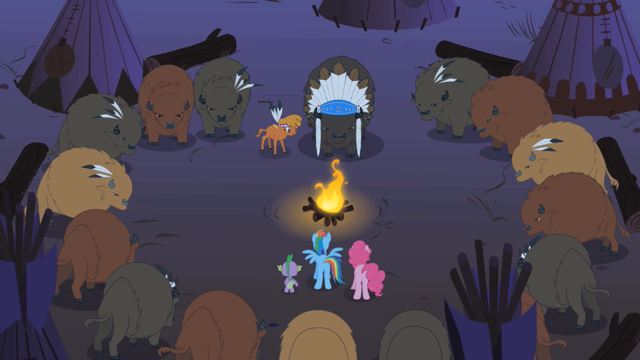
Besides a focus on the visual similarities depicted in many types of western media, does the idea of the noble savage seem to persist throughout much of them. Depicting the native Americans as sensitive, but uneducated individual living with and off the land, and deeply in tune with nature. This is often set in contrast to the more “civilized” western coded society, that is often depicted as more cultured, but at the same time more corrupt and decadent. Above is an example where the buffalo is used as a more naturalist Other, to the more industrialist and “western” pony settlers.
This is far from even beginning to be able to list al the instances of Northern native American culture being using in this way, but simply meant to give a simple overview of some varying depiction trough different media forms.
The Tauren
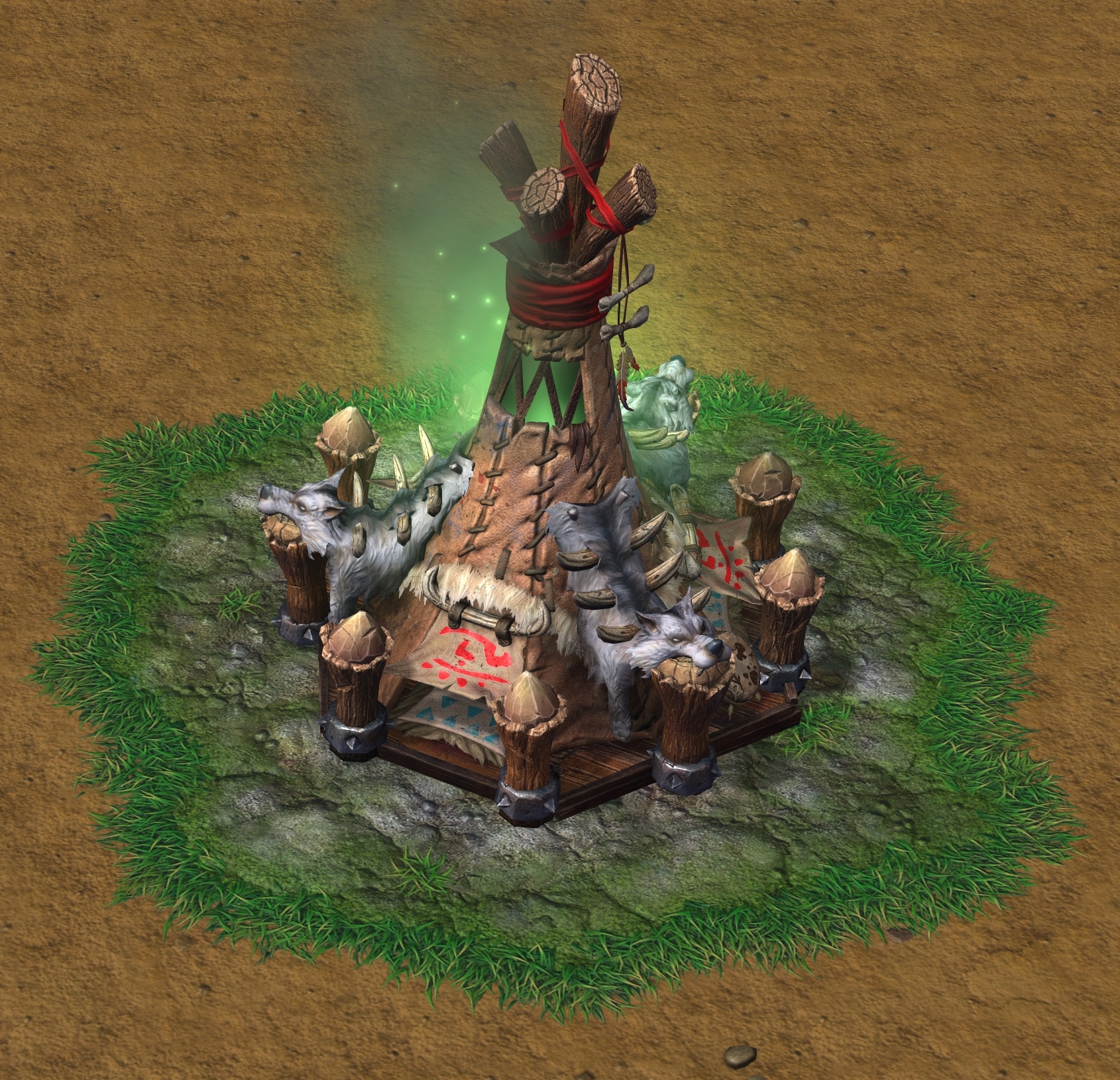
The noble and peaceful Tauren lives in great tents in the wild open plains. By praying to large totem poles they pay their respects to the spirits of nature and the wild. It is not difficult to find connections between the depiction of the Tauren of Warcraft and stereotypes associated with the northern Native American. More specifically the the stereotype regarding idea that, the Native American is a wild savage that lives at one with the nature. The Tauren fits well in to in the same narrative as the Native American has often been used in, as an exoitified other to the industrial and scientistic minded West, or in the case of Warcraft the human lead factions of the Alliance. (Blizzard 2012)
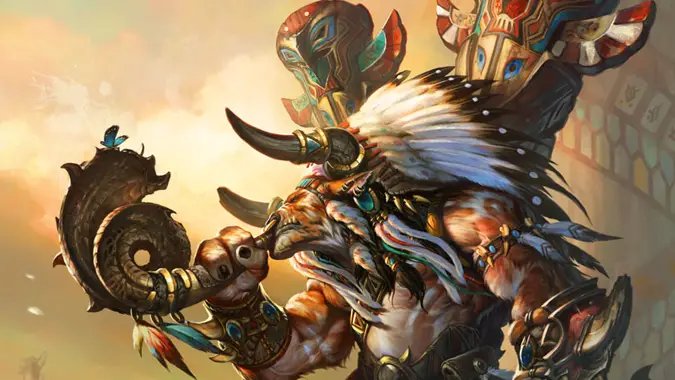
Visually the Tauren has the closest ties to the mythical figure of the Minotaur, the half man half bull creature of great strength and anger. It is interesting to note that the depiction of the Tauren in Warcraft differ greatly from the normal tropes that are usually associated with the creature. Taking it origins as one of the most aggressive monsters of Greek myth, it is interesting that this creature of al available visual designs was chosen to represent the noble and peace loving Taurean.
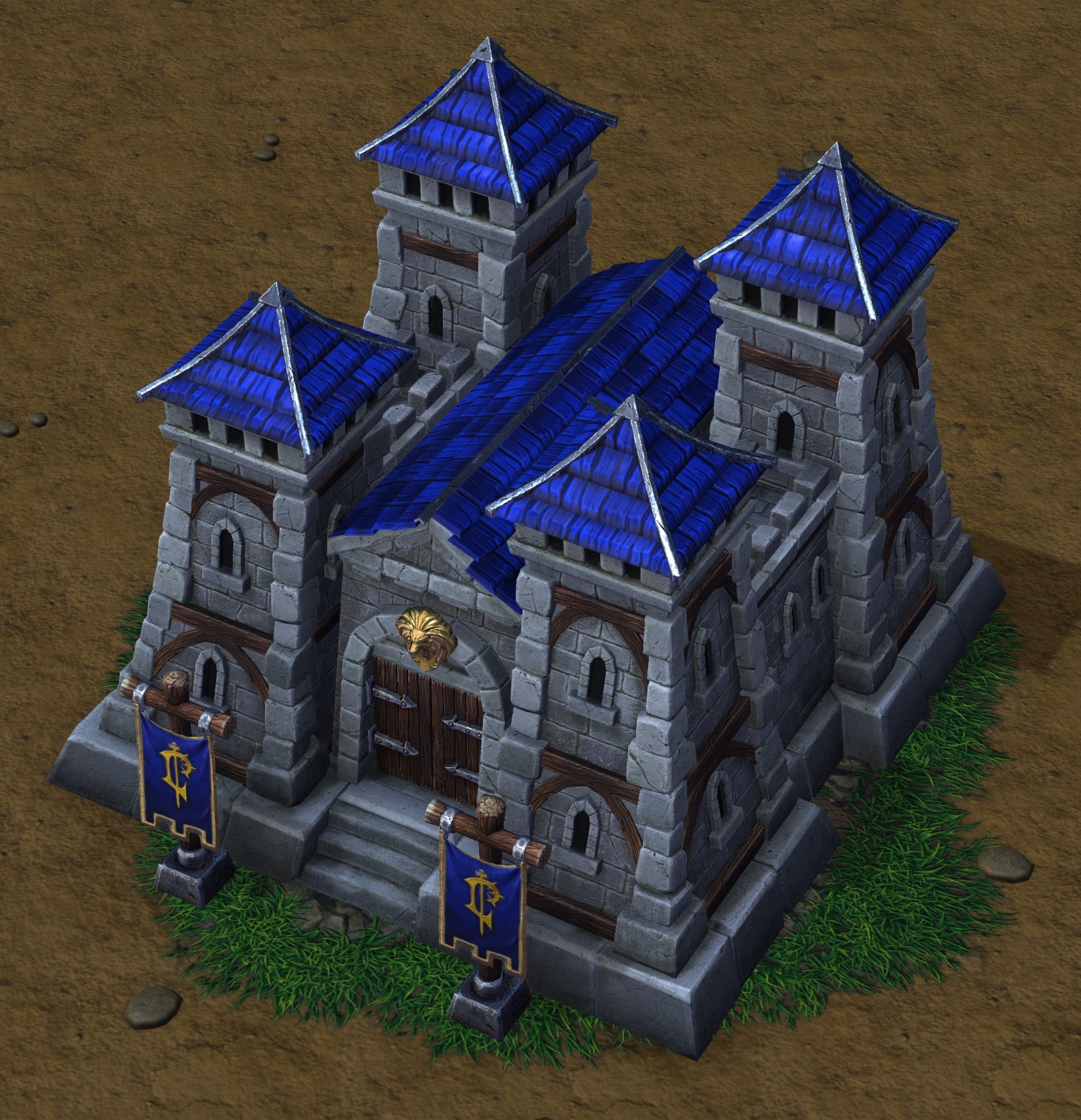
The lands of the Tauren, and later the rest of the Horde, consists of large savannas and deep red deserts, bringing to mind the iconography of an African savanna, as well as the American west respectively. The lands of the Horde is set in stark contrast to the lush fields and deep woods of the Alliance lands.
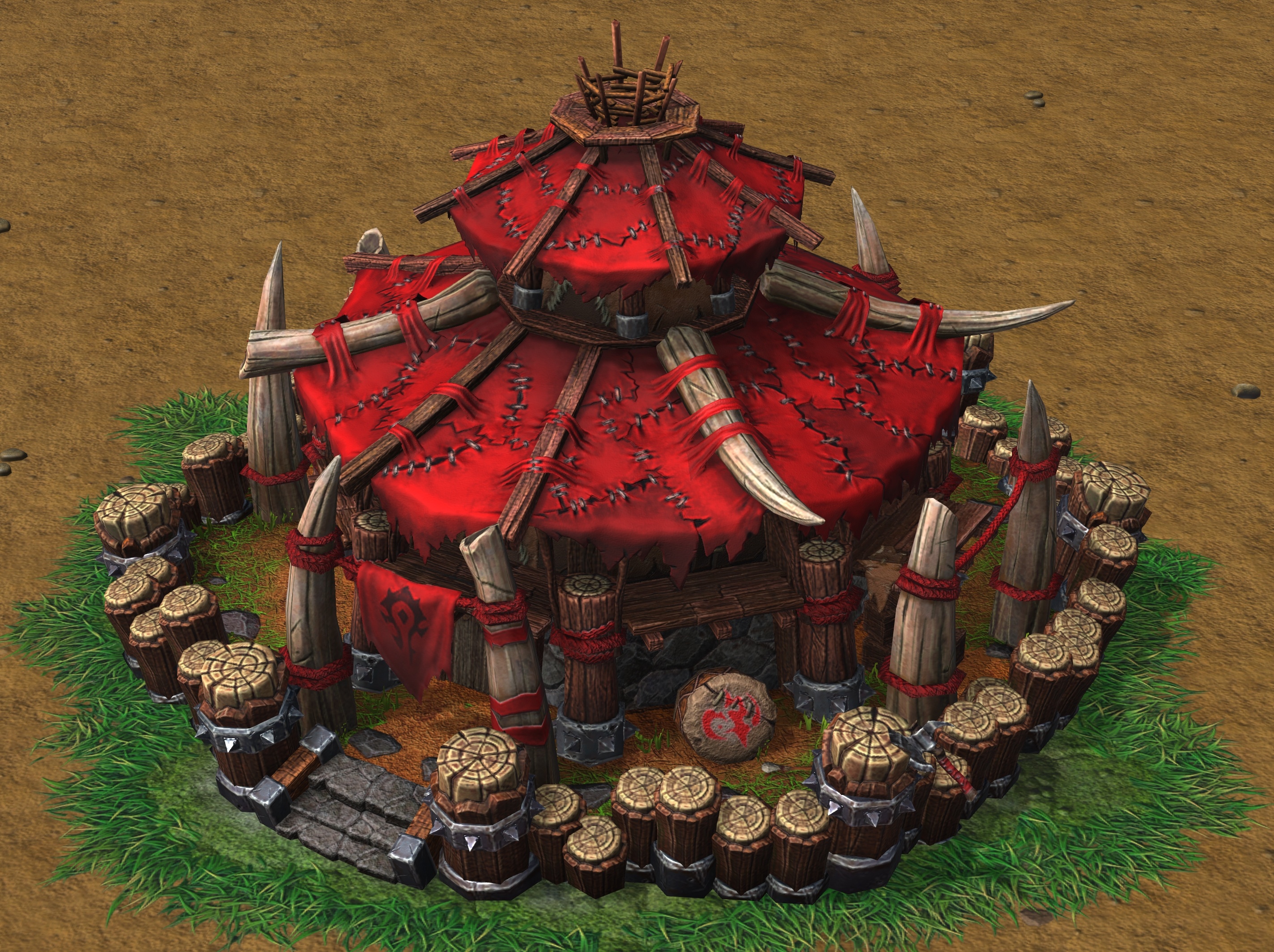
The naturalist faith of the Tauren is shown by their prayers and ceremonies to the Earth mother. Their in-game building is represented by a grand totem pole, from which they are created. The Tauren is in the Horde campaign represented primarily by a wise old Tauren, a shaman who lives close to the forces of nature. He knows where spirits for healing, as well as harming can be found. The Taurens weapon of choose is a totem pole, further driving home the theme of tying them to stereotypical native Americans.
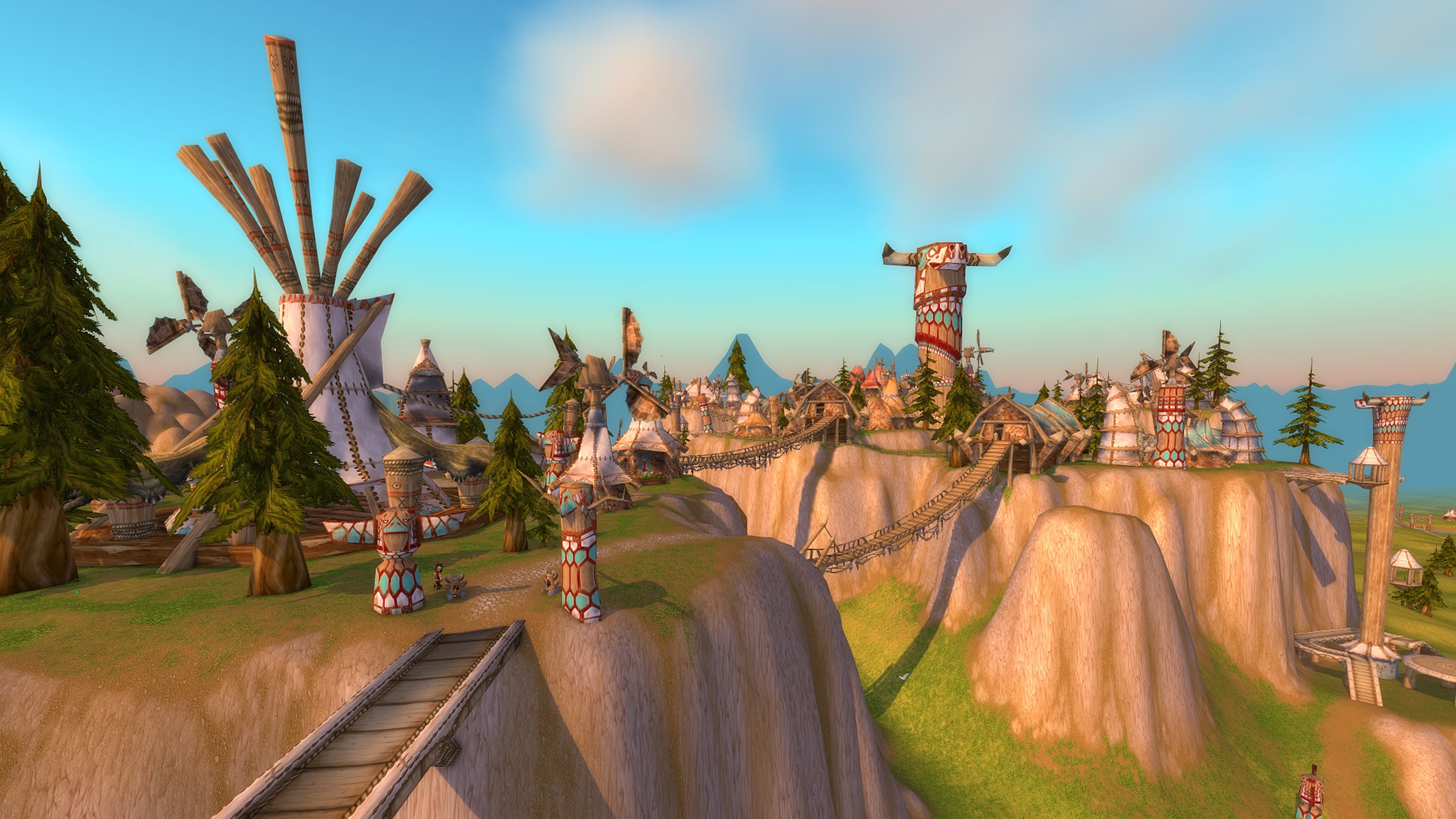
The visual iconography of the Tauren as a facility for the northern native American stereotype is greatly expanded upon in the massive multiplayer online game, World of warcraft. The player characters in World of Warcraft get further ties to their “living with nature” themes, by making them more capable herbalists, and gathering ingredients much faster then most other races.
Real life comparisons
The varied, complex and vivid cultures of the numerous tribes living in and around the Northern Americas and Canada, is far to complex and nuanced for me to even begin to analyse and discuss here, even if I felt even remotely confident in my ability to do so. I will as a result keep my discussion to a few topics relating to the depiction of the Tauren in warcraft 3, the totem pole, the teepee, and the feathers and paints.
Please note that I only have cursory knowlage of these very complex and nuanced themes and topics, and will as a result only cover them in my limited understanding, as a way of tying them to the stereotypical depictions of the Tauren.
Totem Pole
The totem pole has come to represent much of northern native America cultures, mainly due to their prominence in pop culture and various tourism advertisements and souvenirs. The totem pole we know is indeed only originally, historicity linked to certain tribes originating in the south of Canada´s cost. (Wright)
The creation and use of these, often mislabelled totem poles were not used for religious purposes, but was rather used as narrative devices, to tell anything from historically inportant events, to grudges and trade deals. As more white settlers colonized Canada, more and more native villages disappeared, and with it their cultures were slowly lost with them. Many totem poles were later “found” or “salvaged” from supposedly abandoned native villages. These totem poles, and poles created in their image was later made in to large tourist attraction for towns like Seattle or various museums and private collections. (King 2017)
War bonnet
To begin this discussion I would like to reiterate that I am approaching this topic from a layperson, and has as result only limited knowlage, as well as the few documentarians I was able to find to build my arguments upon.
The appearance of the feather headdress, or the war bonnet is one of the more recognizable visuals that have been capitalized upon by much of western cultures to represent the stereotypical Native American. The most common used image is of the so called plains feather headdress, worn by the numerous plains nations. These feather headdresses sometimes called war bonnets, were rarely used by the chosen few that had shown themselves worthy in the fields of war (Waldman, C 2014). These types of headdresses are far from the only kinds that can be found within the rich history of the native nations of America and Canada. The styling, aesthetics and use of the various headdresses used amongst the many tribes of the First nation and beyond. is way to complex and numerous for me to begin to try and note down in such a small text. (Guardian 2014, Monkman 2016)
A War bonnet headdress is still to this day an inportant symbol of office and responsibility, one that should not be taken lightly. It is often used as a symbol of office, and is gifted as a sign of responsibility an duty. (Monkman 2016)
Conclusions
In this chapter I have attempted to show how the Tauren represents a stereotypical image of the Northern native American tribe. The Taurens description and representation, is a part of a long tradition of exotifying and othering the Native American, but western society. The lands of the Tauren, as well as their culture is inescapably tied to a specific stereotype of the North American native. I have attempted to show that this sort of storytelling and use of Native American iconography to show otherness is a part of a long tradition of, mainly western media. Furthermore have this depiction of the Tauren, as well as similar depictions like them further the unjust and harmful trend of lumping large numbers of nations and tropes with diverse histories and traditions under the term of “native savage”.
The chose to present the Tauren in this light, a part of a wider trend of depicting the horde as non western”and none white others. This is a strategy that will become more apparent once we carry on to discuss the supposedly warlike and savage Orcs or flesh eating spirit worshipping Trolls.
I would lastly once again admit that I have learned a great deal of things during the creation of this text, and I humbly apologize if I got anything wrong in my descriptions of this complex and sensitive topic. This blog is a way for me to educate myself, as much as the readers. I encourage and welcome indigenous American and Canadian voices to share their thoughts and discussions on this topic.
References
Ellingson, T. (2001). The myth of the noble savage. Berkeley, Calif.: University of California Press.
Robin K. Wright Totem Poles: Heraldic Columns of the Northwest Coast,
https://content.lib.washington.edu/aipnw/wright.html
V. T. King (2017) Identity, material culture and tourism: Of ritual cloths and totem poles
South East Asia Research
Monkman, L (2016) Behind First Nations headdresses: What you should know
https://www.cbc.ca/news/aboriginal/behind-first-nations-headdresses-1.3506224
“This means war: why the fashion headdress must be stopped”. The Guardian. July 30, 2014.
Waldman, C (2014). Encyclopedia of Native American Tribes. Infobase Publishing. ISBN9781438110103.


 An Unused Frequency